
 EN
 AR
 BG
 HR
 FR
 DE
 IT
 JA
 KO
 PL
 PT
 RO
 RU
 ES
 ID
 LV
 LT
 SR
 SK
 SL
 UK
 VI
 ET
 HU
 TH
 TR
 FA
 GA
 BE
 HY
 AZ
 KA
 BN
 LA
 MN
 NE
 MY
 KK
 TG
 UZ
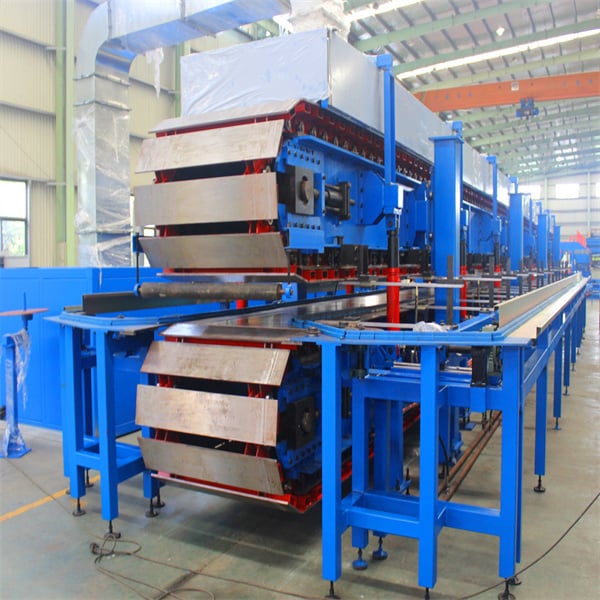
Efficient panel production is a critical component in the manufacturing of composite panels and foam plastics. One of the key technologies enhancing this efficiency is the sandwich panel machine. By streamlining the production process, these machines significantly improve panel production efficiency, addressing common buyer concerns such as material waste, production speed, and machine reliability. This article will delve into the key specifications to consider when selecting a sandwich panel machine, offer insights on finding reliable suppliers, discuss cost factors for bulk orders, provide installation guidance, and troubleshoot common production issues.
Key Specifications to Consider When Choosing a Sandwich Panel Machine
When selecting a sandwich panel machine, several key specifications can directly impact production efficiency and quality.
Production Capacity: This refers to the number of panels the machine can produce within a given timeframe. Understanding production capacity is vital as it influences your ability to meet market demands. For instance, if your business anticipates high-volume orders, a machine with a higher output rate will be necessary.
Material Compatibility: Different machines are designed to work with specific materials, such as polyurethane, rock wool, or EPS. It's essential to choose a machine compatible with the materials you plan to use, as this can affect the quality and integrity of the final product.
Precision and Automation: High-precision equipment ensures consistent quality and reduces material waste. Machines featuring advanced automation capabilities can also enhance production efficiency by minimizing manual input and potential errors in the assembly process.
Customization Options: Depending on your product requirements, the ability to customize machine settings for different panel sizes or thicknesses can be crucial. This flexibility allows for adaptation to varying customer specifications without significant downtime.
Energy Efficiency: Machines that incorporate energy-saving technologies not only lower operational costs but also align with increasingly stringent environmental regulations. Evaluating energy consumption can lead to substantial long-term savings.
Finding Reliable Sandwich Panel Machine Suppliers
Identifying trustworthy suppliers is essential for securing high-quality sandwich panel machines. Here are some strategies to consider:
Industry Reputation: Research potential suppliers' reputations through customer reviews, testimonials, and industry certifications. A well-regarded supplier will often have a proven track record in providing durable and efficient machines.
Technical Support and Maintenance: Opt for suppliers who offer robust after-sales support and maintenance services. This support can be crucial for minimizing downtime and addressing any issues that arise during operation.
Factory Visits: If feasible, visiting the supplier's manufacturing facility can provide insight into their production processes, quality control measures, and overall operational standards. It can also help confirm the capabilities and specifications of the machines.
Trial and Demonstration: Requesting a demonstration or trial period can be beneficial. This allows you to evaluate the machine's performance in real-world conditions and determine if it meets your production needs.
Comparing Cost Factors of Sandwich Panel Machines for Bulk Orders
When considering bulk orders for sandwich panel machine line, several cost factors come into play:
Unit Price: The initial cost of the machine is often the most noticeable factor. However, it is essential to analyze the total cost of ownership, which includes installation, maintenance, and operational expenses.
Bulk Discounts: Many suppliers offer discounts for bulk purchases. It’s worth negotiating pricing based on the volume of machines you intend to order, as this can lead to significant savings.
Shipping and Import Fees: Depending on the supplier's location, shipping costs and import tariffs can add to the overall expense. Understanding these costs upfront can help avoid unexpected budget overruns.
Financing Options: Some suppliers may provide financing options that can ease the initial financial burden. Assessing these options can help manage cash flow while expanding your production capabilities.
Warranty and Service Agreements: Machines that come with extended warranties or service agreements can save money over time. Be sure to factor these aspects into your cost analysis.
Installation Guidance for Optimizing Sandwich Panel Machine Performance
Proper installation is vital to ensure optimal operation of sandwich panel machines. Here are key considerations:
Site Preparation: Ensure that the installation site is prepared according to the manufacturer's specifications, including sufficient space, proper flooring, and essential utilities like electricity and water.
Alignment and Calibration: Correct alignment and calibration during installation are crucial for machine accuracy. Any misalignment can lead to production inefficiencies and increased waste.
Training for Operators: Providing comprehensive training for machine operators can enhance efficiency and safety. Operators should understand both the operational aspects and maintenance requirements of the machine.
Initial Testing: After installation, conduct thorough testing to ensure that the machine operates as expected. This testing phase can help identify any issues early, allowing for timely adjustments before full-scale production begins.
Common Problems in Panel Production and Sandwich Machine Solutions
Understanding potential production challenges can help buyers prepare for and mitigate issues. Common problems include:
Material Wastage: This can occur due to improper machine settings or misalignment. Regular maintenance and calibration can reduce these occurrences, ensuring materials are utilized efficiently.
Quality Inconsistencies: Variations in panel quality can arise from material inconsistencies or machine malfunctions. Implementing a robust quality control process, including periodic inspections and testing, can help maintain product standards.
Operational Downtime: Unexpected machine failures can halt production. Having a reliable service contract and access to spare parts can minimize downtime and keep operations running smoothly.
Temperature and Environmental Conditions: External factors such as humidity or temperature can affect the performance of the fully automatic EPS sandwich panel machine. Monitoring these conditions and adjusting production parameters accordingly can help maintain quality.
By addressing these factors, manufacturers can enhance production efficiency and product quality, ultimately leading to improved competitiveness in the market.
Table of Contents
- Key Specifications to Consider When Choosing a Sandwich Panel Machine
- Finding Reliable Sandwich Panel Machine Suppliers
- Comparing Cost Factors of Sandwich Panel Machines for Bulk Orders
- Installation Guidance for Optimizing Sandwich Panel Machine Performance
- Common Problems in Panel Production and Sandwich Machine Solutions