
 EN
 AR
 BG
 HR
 FR
 DE
 IT
 JA
 KO
 PL
 PT
 RO
 RU
 ES
 ID
 LV
 LT
 SR
 SK
 SL
 UK
 VI
 ET
 HU
 TH
 TR
 FA
 GA
 BE
 HY
 AZ
 KA
 BN
 LA
 MN
 NE
 MY
 KK
 TG
 UZ
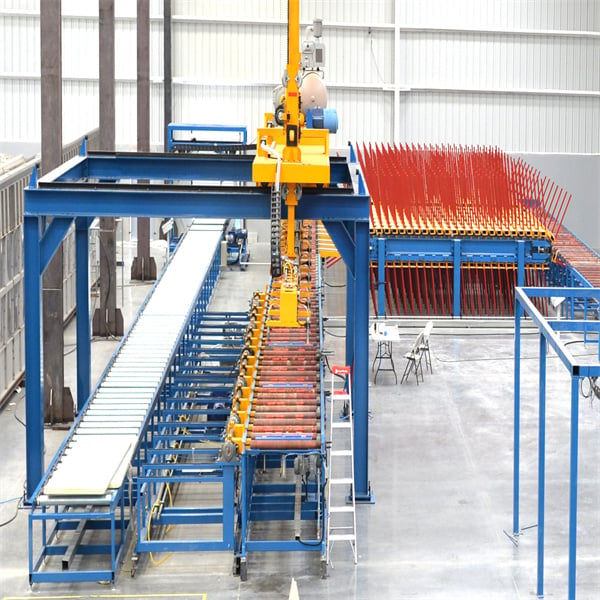
The latest trends in sandwich panel machine automation are reshaping the manufacturing landscape, enhancing productivity, and driving energy efficiency in the production of composite panels. For professionals in the B2B sector, including purchasing managers and engineers, understanding these trends is essential for making informed sourcing decisions. This article will delve into innovations, quality standards, cost factors, technical specifications, and the features and benefits of modern sandwich panel automation, providing actionable insights to guide your procurement process.
Latest Innovations in Sandwich Panel Machine Automation for 2023
In 2023, the sandwich panel machine automation industry has seen significant advancements driven by technological innovations. Leading manufacturers are integrating smart technologies, like IoT-enabled sensors and AI-driven analytics, into production lines. These technologies enable real-time monitoring and predictive maintenance, minimizing downtime and optimizing machine performance.
Additionally, the adoption of robotic automation is becoming increasingly common. Robots can streamline the handling of raw materials and finished products, enhancing operational efficiency and safety. For instance, automated guided vehicles (AGVs) are now used extensively for material transport within factories, reducing manual labor and increasing throughput.
Another transformative trend is the focus on energy efficiency. Many new machines are designed to consume less energy while maintaining high production rates, thanks to improved insulation materials and advanced heating systems. This is crucial, as energy costs continue to rise, making efficient machinery a necessity for maintaining competitive pricing in the market.
Evaluating Quality Standards in Sandwich Panel Machine Automation
When sourcing sandwich panel machines, evaluating quality standards is paramount. Buyers should look for equipment that complies with international manufacturing standards, such as ISO certifications, which indicate a commitment to quality and reliability. Additionally, understanding the specific quality control processes employed during production is vital. For example, manufacturers should implement rigorous testing protocols at various stages, including raw material verification, machine calibration, and final product inspection.
Potential buyers should also inquire about the machine's compatibility with different panel materials, such as polyurethane, rock wool, or EPS. Each material may require distinct handling and processing conditions, and the machine should be adaptable to these requirements. Ensuring that the equipment can consistently produce panels that meet the desired specifications for durability, insulation, and structural integrity is crucial for long-term satisfaction and performance.
Cost Factors to Consider When Sourcing Sandwich Panel Machines
Cost considerations play a significant role in the decision-making process for purchasing sandwich panel machine production line. Beyond the initial purchase price, buyers must take into account several factors that can influence the total cost of ownership. These include maintenance costs, energy consumption, and the availability of spare parts.
Additionally, it's essential to evaluate the potential return on investment (ROI). High-quality machines designed for efficiency may have a higher upfront cost but can lead to substantial savings in energy and labor costs over time. Therefore, buyers should not only focus on the lowest price but rather assess the overall value offered by the equipment.
Buyers should also consider the machine's production capacity and its ability to handle varying order sizes. Customization options may incur additional costs, but they can provide significant advantages in meeting specific project requirements or adapting to changing market demands.
Key Technical Specifications for Sandwich Panel Machines Explained
Understanding the key technical specifications of sandwich panel machines can help buyers make informed decisions. Some critical specifications include:
Production Speed: Measured in linear meters per minute, this indicates how quickly the machine can produce panels. Higher speeds can lead to increased efficiency but may require more sophisticated technology.
Panel Thickness and Width: Different applications may require specific panel dimensions. Buyers should confirm that the machine can accommodate the required thickness and width for their intended use.
Material Compatibility: The machine should be able to process various materials, including different types of foam and steel. Understanding the machine's capabilities in handling these materials is essential for ensuring product quality.
Energy Consumption: Look for machines designed with energy-efficient components. Understanding the energy requirements can help buyers calculate long-term operating costs.
Automation Level: The degree of automation can greatly affect operational efficiency. Fully automated machines may require a higher initial investment but can reduce labor costs and improve consistency in production.
Buyers should work with manufacturers to clarify any uncertainties regarding these specifications and ensure that the machine aligns with their production goals.
Features and Benefits Overview
Modern sandwich panel machines come equipped with various features that enhance their functionality and usability. Key features include:
User-Friendly Interfaces: Many machines now offer intuitive control panels with touch-screen interfaces, making operation easier and reducing training time for staff.
Modular Design: This allows for easy upgrades and customization, enabling manufacturers to adapt the machinery as their production needs evolve.
Data Logging and Analytics: Advanced machines can collect and analyze production data, providing insights that help optimize processes and improve overall efficiency.
Safety Features: Compliance with safety standards is critical. Look for fully automatic EPS sandwich panel machine that include emergency stop buttons, safety guards, and automated shut-off systems to protect operators.
The benefits of these features are substantial. Enhanced efficiency leads to higher productivity, while improved safety measures reduce the risk of workplace accidents. Furthermore, the capability to quickly adapt to changing production demands ensures that manufacturers remain competitive in a dynamic market.
By understanding these elements, B2B buyers can make well-informed decisions when selecting sandwich panel machines that best meet their operational needs and budget constraints.