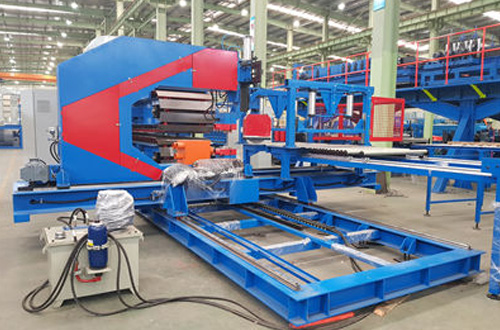
Introduction: Scalability and Strategy In the world of sandwich panel manufacturing, the choice between a continuous and a discontinuous production line is the single most important decision regarding factory layout and capital expenditure. This cho...
VIEW MORE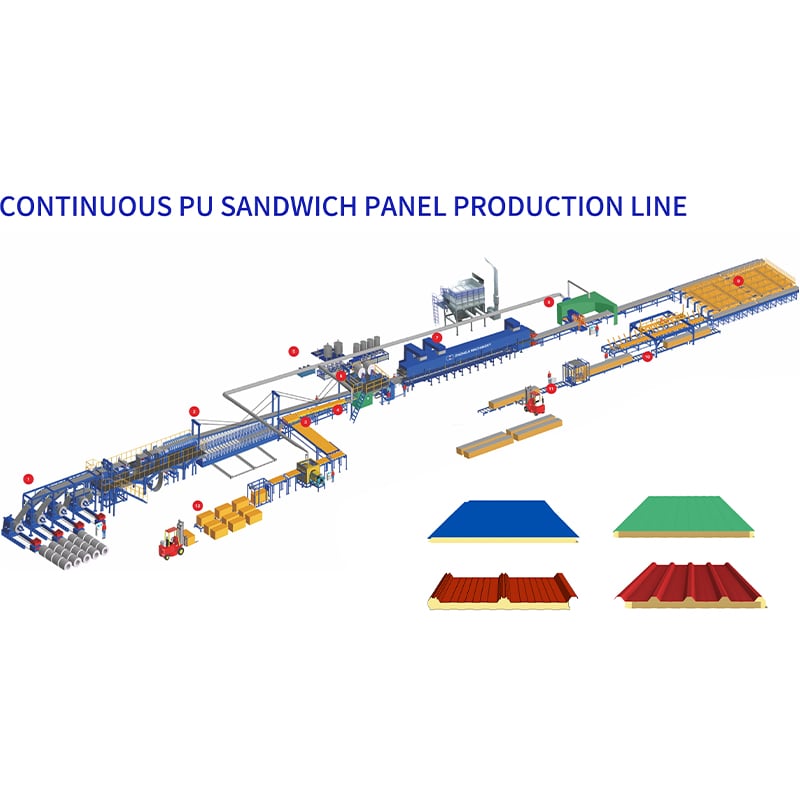
Introduction: The Multi-Material Mandate In today's construction market, the core material of a sandwich panel is no longer a fixed choice. A pharmaceutical warehouse might require Polyurethane (PU) for its superior insulation, while an adjacent ind...
VIEW MORE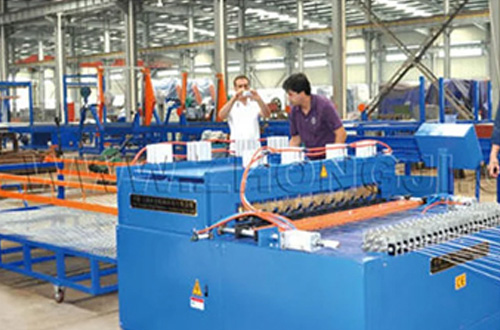
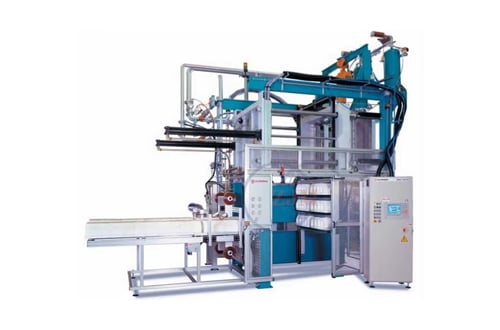
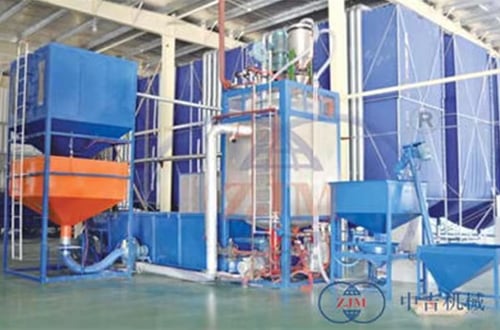
Introduction A high-quality EPS (Expanded Polystyrene) product—whether it is an insulation board or protective packaging—is the result of a perfectly synchronized three-stage process. Many buyers focus only on the molding machine, but th...
VIEW MORE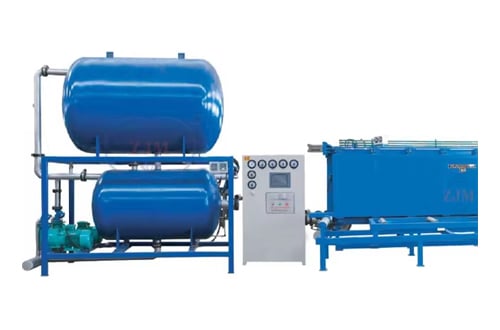
Introduction When searching for a supplier, many buyers start with a "Top 10" list of Chinese manufacturers. While these rankings are a helpful starting point, they can be misleading. A company that is a leader in EPS foam machinery may not have the ...
VIEW MORE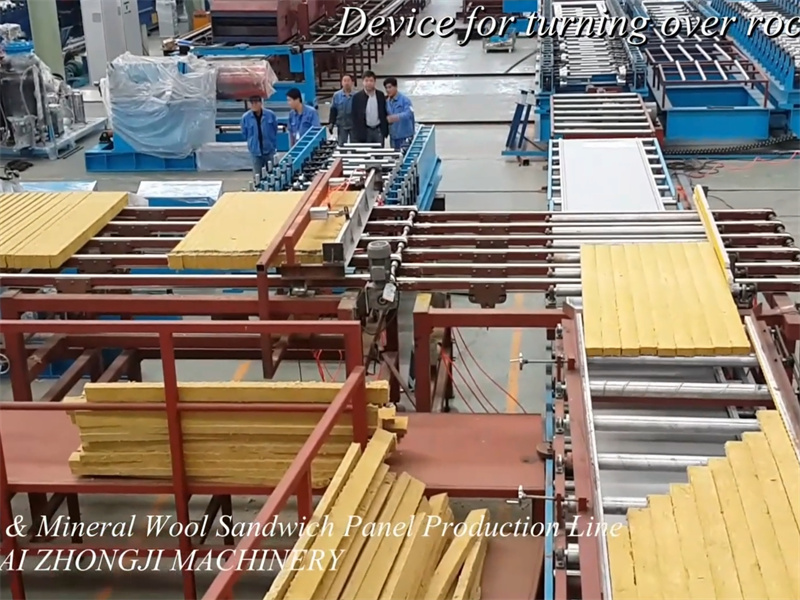
Introduction For an overseas buyer, the purchase of a sandwich panel production line is not a single transaction—it is the start of a multi-year operational partnership. While the machine's specifications are important, the supplier's ability t...
VIEW MORE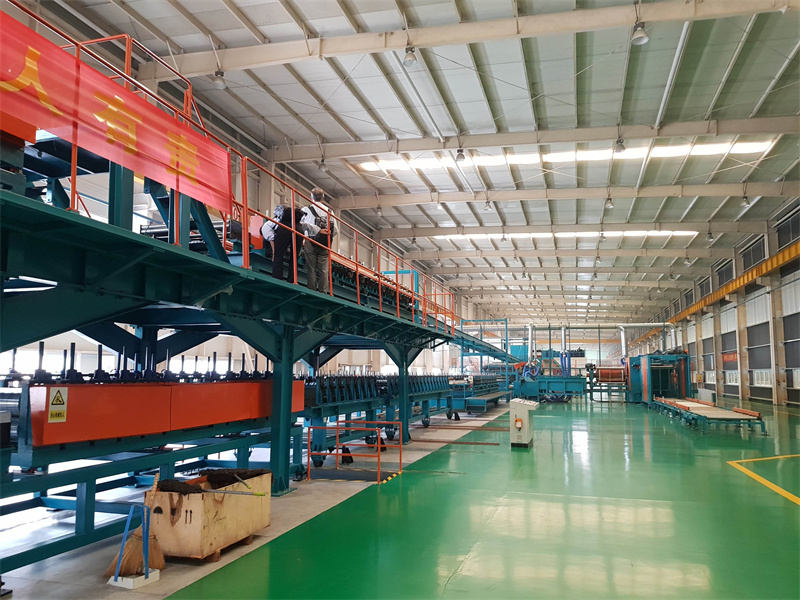
Introduction The quotation stage of a sandwich panel equipment purchase is the most critical window for financial planning. However, many B2B buyers find themselves facing unexpected "add-on" costs once the project reaches the installation phase. A p...
VIEW MORE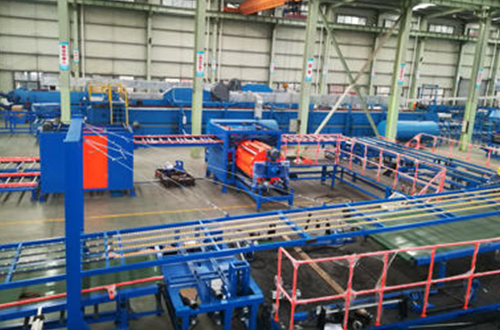
Introduction In the world of industrial sandwich panel production, "one size fits all" is rarely the reality. Whether it is a specific building insulation requirement, a unique factory footprint, or a specialized core material, non-standard customiza...
VIEW MORE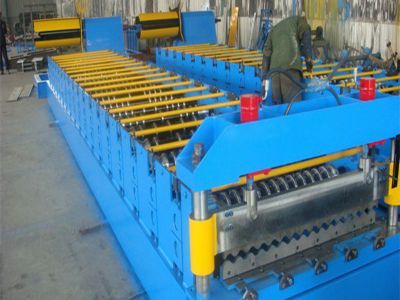
The manufacturing environment is home to numerous indispensable machines and few more so than the block mold machine. These machines are widely used for producing This is to say that when they are formed, they will remain the same size no matter what...
VIEW MORE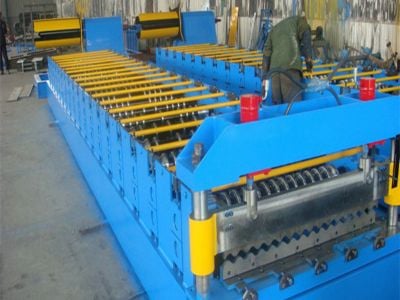
106 EPS cutter machines are used for a variety of reasons for working with massive foam blocks. “It’s very time-consuming,” he says, “but these machines help knock out big blocks into smaller foam pieces that are a little more useful than what you se...
VIEW MORE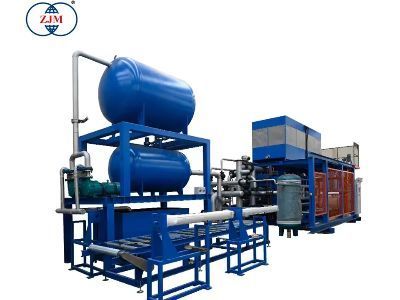
Block molding machines are hugely popular for producing foam packaging and insulation materialsThese machines mold foam into blocks that are then cut or applied in other ways. Strong and light foam products would be hard to come by without block mold...
VIEW MORE
Shanghai Zhongji Machinery Co.,Ltd. Was founded in 1992. We manufacture EPS,EPP 3D Panel and PU Sandwich Panel Production Line. The innovative Zhongji Company is the technological pioneer and the largest professional manufacturer in China's EPS/EPP foam machinery industry!
ADDRESS: No.368 Xindan Road, Qingpu Industry, Shanghai, China
ADDRESS: No.5931, Huyi Road, Jiading Industry District Shanghai, China
MOBILE: +86-139 16868669
TEL: +86-21 68453855
E-MAIL: [email protected]
Copyright © Shanghai Zhongji Machinery Co., Ltd. All Rights Reserved Privacy Policy
 EN
EN
 AR
AR BG
BG HR
HR FR
FR DE
DE IT
IT JA
JA KO
KO PL
PL PT
PT RO
RO RU
RU ES
ES ID
ID LV
LV LT
LT SR
SR SK
SK SL
SL UK
UK VI
VI ET
ET HU
HU TH
TH TR
TR FA
FA GA
GA BE
BE HY
HY AZ
AZ KA
KA BN
BN LA
LA MN
MN NE
NE MY
MY KK
KK TG
TG UZ
UZ