
 EN
 AR
 BG
 HR
 FR
 DE
 IT
 JA
 KO
 PL
 PT
 RO
 RU
 ES
 ID
 LV
 LT
 SR
 SK
 SL
 UK
 VI
 ET
 HU
 TH
 TR
 FA
 GA
 BE
 HY
 AZ
 KA
 BN
 LA
 MN
 NE
 MY
 KK
 TG
 UZ
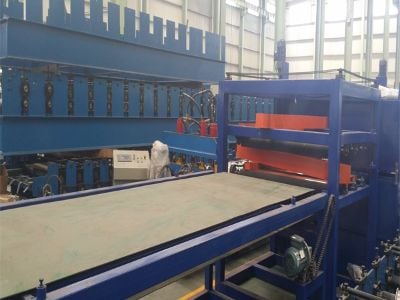
The latest trends in sandwich panel manufacturing technology reflect significant advancements in efficiency, quality, and sustainability. For B2B buyers in sectors such as construction, logistics, and manufacturing, understanding these trends is crucial for making informed purchasing decisions. Key concerns often revolve around cost, material performance, regulatory compliance, and production capabilities. This article will explore various facets of sandwich panel technology, including specifications, materials, manufacturing processes, and quality control measures, providing valuable insights to help you navigate your purchasing journey.
Cost and Quality
When it comes to sandwich panels, the relationship between cost and quality is pivotal. Buyers must assess how material choices such as polyurethane or rock wool affect both price and performance. For instance, while polyurethane panels typically offer better insulation properties and lower overall energy costs, they may come at a higher initial price point compared to rock wool panels.
Investing in high-quality panels can lead to long-term savings through energy efficiency and durability. Therefore, it's essential to evaluate not only the upfront costs but also the lifecycle costs associated with installation, maintenance, and energy consumption. Buyers should also consider the total cost of ownership, which encompasses transportation, installation, and potential future repairs or replacements.
Evaluating Sandwich Panel Specifications for Your Needs
When selecting sandwich panels, understanding specifications is critical. Key specifications include:
Thickness: This affects insulation performance and structural integrity. A thicker sandwich panel line may provide better insulation but could also increase weight and cost.
Material Composition: Different materials offer varying thermal properties, weight, and moisture resistance. Buyers should consider environmental conditions and intended applications when evaluating materials.
Dimensions: Customization options for size and shape can affect installation and structural requirements. Ensure that the dimensions align with project specifications to avoid compatibility issues.
Buyers should request detailed product data sheets and consult with sandwich panel production line manufacturers like Shanghai Zhongji Machinery Co., Ltd. to clarify any uncertainties regarding specifications.
Polyurethane vs. Rock Wool Panels
Choosing between polyurethane and rock wool panels hinges on specific application requirements. Polyurethane panels are known for their superior insulation properties, making them ideal for climate-controlled environments. They are lightweight and offer excellent thermal resistance, which can contribute to energy savings in buildings.
On the other hand, rock wool panels provide fire resistance and sound insulation, making them suitable for industrial applications where safety and noise reduction are priorities. They are also more environmentally friendly in terms of production and disposal.
Ultimately, the decision should be based on the intended use, environmental considerations, and budget constraints. Engaging with suppliers to discuss material properties can help buyers make a more informed choice.
Understanding the Cost Factors in Sandwich Panel Manufacturing
Several factors influence the cost of sandwich panel manufacturing, including:
Material Prices: Fluctuations in raw material prices can have a direct impact on the final cost. Buyers should stay informed about market trends to anticipate changes in pricing.
Production Technology: Advanced manufacturing technologies, like those employed by Shanghai Zhongji Machinery Co., Ltd., can enhance production efficiency and reduce waste, potentially lowering costs. Understanding the sandwich panel machine used can provide insight into the manufacturer's pricing strategy.
Volume and Customization: Bulk orders typically result in lower per-unit costs due to economies of scale. However, customization can increase costs significantly. It's important for buyers to balance their needs for customization with budgetary constraints.
Logistics and Transportation: Shipping costs, particularly for large or heavy panels, can add substantially to total expenses. Buyers should inquire about shipping options and costs upfront.
By gaining a comprehensive understanding of these cost factors, buyers can negotiate better terms and make more strategic purchasing decisions.
Quality Control Standards in Sandwich Panel Production Processes
Quality control in sandwich panel production is essential for ensuring product performance and longevity. The manufacturing process should include several critical quality checks, such as:
Raw Material Inspection: Ensuring that all incoming materials meet specified standards is crucial. This includes checking for consistency in density, thickness, and overall quality.
In-Process Quality Checks: Implementing quality checks at various stages of production can help identify defects early. This might involve monitoring the adhesive application process, curing times, and panel dimensions.
Final Product Testing: Conducting tests on the finished product, such as thermal conductivity tests and structural integrity assessments, ensures that panels meet the required specifications and regulatory standards.
Buyers should inquire about the quality control processes of potential suppliers. A robust quality assurance system can significantly reduce the risk of purchasing subpar products, ultimately leading to better project outcomes.
By understanding the latest trends in sandwich panel manufacturing technology, buyers can make more informed decisions that align with their project requirements and budget. Engaging with experienced manufacturers like Shanghai Zhongji Machinery Co., Ltd. can provide additional insights and support throughout the purchasing process.