 EN
 AR
 BG
 HR
 FR
 DE
 IT
 JA
 KO
 PL
 PT
 RO
 RU
 ES
 ID
 LV
 LT
 SR
 SK
 SL
 UK
 VI
 ET
 HU
 TH
 TR
 FA
 GA
 BE
 HY
 AZ
 KA
 BN
 LA
 MN
 NE
 MY
 KK
 TG
 UZ
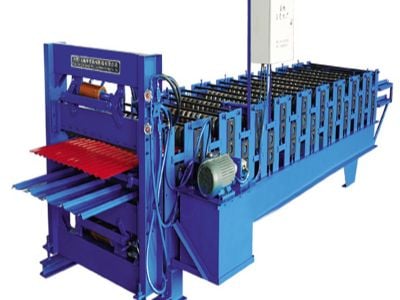
Understanding the performance of foam forming machines is crucial for manufacturers looking to optimize high-volume production. These machines are integral in producing foam plastics and composite panels, and their efficiency can significantly impact overall production rates and product quality. This article will help purchasing managers and decision-makers grasp the key specifications of foam forming machines, how their quality affects production efficiency, sourcing options for reliable machines, cost versus performance considerations, and common installation issues along with their solutions.
Key Specifications of High-Performance Foam Forming Machines
When evaluating foam forming machines, several key specifications should be considered:
Production Capacity: This refers to the volume of foam produced per hour. High-performance machines typically offer capacities ranging from several hundred to thousands of kilograms per hour, depending on the application.
Material Compatibility: Machines should be designed to handle various foam materials, such as EPS, EPP, and polyurethane. Buyers should ensure that the machine can accommodate the specific foam type they intend to use, as different materials may have varied processing requirements.
Energy Efficiency: Modern foam forming machines incorporate technology that reduces energy consumption. Look for machines that feature European technology, as these often provide significant energy savings, resulting in lower operational costs over time.
Precision and Durability: The accuracy of the machine in maintaining consistent foam thickness and density is crucial. High-precision manufacturing equipment ensures that parts are produced with minimal defects, leading to higher quality end products.
Automation Features: Features such as automated cutting, density control, and process monitoring can enhance efficiency. These aspects reduce manual intervention, minimizing the risk of human error and improving production speed.
Certification and Compliance: Buyers should check for relevant certifications that indicate adherence to industry standards. This can include ISO certifications or compliance with environmental regulations, which can be crucial for market access.
How Foam Forming Machine Quality Impacts Production Efficiency?
The quality of a foam forming machine directly influences production efficiency in several ways. A high-quality machine operates consistently, leading to fewer production interruptions and downtime. This reliability is vital in high-volume production environments where time directly correlates to cost.
Moreover, the precision of the machinery affects the final product's quality. Inconsistent foam density or dimensions can lead to waste and increased costs in rework or scrapping defective products. High-quality machines allow for better control over the production parameters, ensuring that each product meets specifications without unnecessary adjustments.
Additionally, the integration of energy-efficient technologies can lead to significant savings. Machines designed with energy conservation in mind can reduce utility costs, making the overall operation more economically viable.
Finally, a machine that is easy to maintain and has readily available spare parts will contribute to higher productivity levels. Regular maintenance ensures optimal performance, while easy access to components minimizes downtime in the event of repairs.
Where to Source Reliable Foam Forming Machines for Bulk Orders?
Sourcing reliable foam forming machines requires careful consideration of suppliers. Buyers should look for manufacturers with a proven track record in the industry, such as Shanghai Zhongji Machinery Co., Ltd., which specializes in continuous production lines for foam plastics and composite panels. Here are some tips to effectively source these foam forming machine:
Industry Reputation: Research potential suppliers and their reputation in the marketplace. Look for customer reviews, case studies, and testimonials that demonstrate their experience and reliability.
Product Range and Customization: Choose suppliers that offer a variety of models and customization options. This flexibility can be crucial for specific production needs and the ability to scale operations.
After-Sales Support: Evaluate the level of after-sales support provided. A supplier that offers training, maintenance services, and readily available spare parts will enhance the overall buying experience and operational efficiency.
Local vs. International Suppliers: Consider the advantages of local suppliers, such as lower shipping costs and shorter lead times. However, international suppliers may offer advanced technology or more competitive pricing. Weigh these factors according to your business needs.
Request Quotations: When contacting suppliers, provide detailed information about your production requirements, including machine specifications, expected output, and any customization needs. This ensures you receive accurate quotes and can compare offerings effectively.
Cost vs. Performance Factors
When assessing foam forming machines, it's essential to balance cost and performance. While it may be tempting to select machines based solely on the lowest price, this approach can lead to higher long-term costs if the roll forming machine is inefficient or unreliable. Here are some factors to consider:
Initial Investment vs. Total Cost of Ownership: While some machines may have a lower upfront cost, consider the total cost of ownership, which includes energy consumption, maintenance, and potential downtime. An investment in a high-performance machine may yield cost savings over time.
Performance Metrics: Look for machines that offer optimal production rates and energy efficiency. Performance metrics such as output consistency, material waste reduction, and speed of operation should be prioritized.
Longevity and Durability: Machines constructed with high-quality materials will often have a longer lifespan, minimizing the need for replacements. Evaluate the manufacturer's warranty and history of machine durability.
Return on Investment (ROI): Calculate the expected ROI based on increased production efficiency and reduced operational costs. A machine that enhances productivity can justify a higher initial investment.
Common Installation Issues with Foam Forming Machines and Solutions
Installing foam forming machines can present several challenges. Awareness of these issues and their solutions can facilitate a smoother installation process:
Alignment and Calibration: Ensuring that the machine is correctly aligned is critical for optimal operation. Misalignment can lead to uneven foam production. Conduct thorough checks during installation and calibrate according to the manufacturer's guidelines.
Power Supply Compatibility: Verify that the power supply meets the machine's operational requirements. Insufficient power can result in performance issues. Consulting with an electrician during installation can help avoid complications.
Environmental Conditions: The installation site should be suitable for the machine's operational needs, including temperature, humidity, and ventilation. Ensure that the site complies with these requirements to maintain performance levels.
Operator Training: Proper training for operators is essential to avoid installation and operational errors. Manufacturers should offer training sessions to familiarize staff with the machine’s functions and maintenance requirements.
Regular Maintenance Checks: After installation, establish a routine maintenance schedule. Regular checks can identify potential issues early, ensuring continuous operation and reducing the risk of production disruptions.
By understanding the critical aspects of foam forming machines, buyers can make informed decisions that enhance their manufacturing capabilities and improve overall production efficiency.