 EN
 AR
 BG
 HR
 FR
 DE
 IT
 JA
 KO
 PL
 PT
 RO
 RU
 ES
 ID
 LV
 LT
 SR
 SK
 SL
 UK
 VI
 ET
 HU
 TH
 TR
 FA
 GA
 BE
 HY
 AZ
 KA
 BN
 LA
 MN
 NE
 MY
 KK
 TG
 UZ
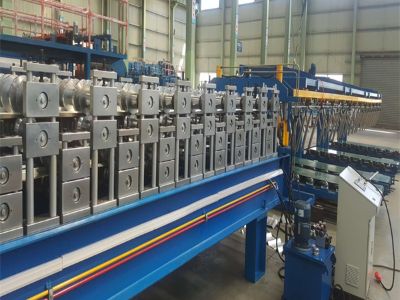
Understanding what determines the forming accuracy of a foam forming machine is crucial for manufacturers and purchasing managers aiming to optimize production efficiency and product quality. Forming accuracy directly impacts the final product’s performance, appearance, and cost-effectiveness. This article will explore the key factors influencing forming accuracy, how to evaluate it, methods to ensure precision, and guidance on sourcing reliable foam forming machines.
What Factors Influence the Forming Accuracy of Foam Forming Machines?
Several factors play a critical role in determining the forming accuracy of foam forming machines. These include:
Material Quality: The properties of the foam materials, such as density and viscosity, can significantly affect how accurately the machine can form them. Inconsistent material properties can lead to variations in the final product.
Machine Calibration: Regular calibration of the foam forming machine is essential. Any misalignment or calibration issues can lead to dimensional inaccuracies in the formed products.
Temperature Control: The temperature during the forming process influences the viscosity and behavior of the foam materials. Proper temperature regulation helps ensure uniformity in the foam's structure and enhances forming accuracy.
Pressure Settings: The pressure applied during the foam forming process must be optimized based on the material being used. Incorrect pressure settings can result in defects such as warping or insufficient density in specific areas.
Tooling and Die Design: The design and condition of the tooling and dies used in the forming process are crucial. Worn or improperly designed tools can lead to inconsistencies in the final shape and dimensions of the foam products.
Operator Skill: The expertise and skill level of the machine operator can also impact forming accuracy. An experienced operator can make real-time adjustments to the machine settings based on observed outcomes.
How to Evaluate the Forming Accuracy of Foam Forming Machinery?
Evaluating the forming accuracy of foam forming machines involves several key steps:
Dimensional Inspection: Conduct a thorough inspection of the formed products to assess whether they meet the specified dimensions. This can be done using precision measuring instruments such as calipers and micrometers.
Visual Quality Assessment: Perform a visual inspection for any surface defects or irregularities. Identifying issues such as bubbles, uneven surfaces, or discoloration can indicate problems with the forming process.
Sampling and Testing: Before mass production, it’s advisable to create samples of the intended final product. Testing these samples under actual operating conditions can provide insights into how the machine performs and whether adjustments are necessary.
Documentation Review: Review the machine's technical documentation, including calibration records, maintenance logs, and any modifications made to the machine. This will help identify potential areas for improvement.
Feedback from Operators: Gather feedback from operators who work closely with the roll forming machine. Their insights can highlight recurring issues or operational challenges that affect forming accuracy.
Ensuring Precision
To ensure precision in foam forming processes, manufacturers can implement the following practices:
Regular Maintenance: Establish a routine maintenance schedule for the foam forming machine. Regular inspections and servicing can prevent unexpected breakdowns and maintain optimal performance.
Real-time Monitoring: Utilize automated systems for real-time monitoring of critical parameters such as temperature, pressure, and material flow. This enables immediate adjustments to be made if deviations occur.
Operator Training: Invest in comprehensive training programs for operators, focusing on best practices for machine operation, material handling, and quality control measures. Skilled operators are essential for achieving consistent results.
Quality Control Systems: Implement a robust quality control system that includes standard operating procedures (SOPs) for production. This should cover every aspect of the foam forming process, from material selection to final inspection.
Collaboration with Suppliers: Work closely with material suppliers to ensure that the quality of raw materials meets the specifications required for optimal forming accuracy.
Where to Source Reliable Foam Forming Machines for Bulk Orders?
When sourcing foam forming machines for bulk orders, it’s essential to consider suppliers with proven industry expertise and reliable products. Here are some tips for sourcing:
Research Manufacturers: Look for manufacturers with a strong reputation in the foam forming machinery sector. Evaluate their experience, product range, and technological capabilities.
Request References: Ask potential suppliers for references from previous clients. This can provide insights into their reliability, product performance, and customer service.
Examine Certifications: Ensure that the manufacturer holds relevant industry certifications, which can be an indication of their commitment to quality and compliance with industry standards.
Evaluate Customization Options: Choose a supplier that offers customization capabilities to tailor the machines according to your specific production needs. This can include adjustments to machine size, tooling, and performance specifications.
Assess After-Sales Support: Reliable after-sales support is crucial for maintaining machine efficiency. Ensure that the supplier provides adequate technical support and parts availability to address any issues that may arise post-purchase.
Choosing the Right Foam Forming Machine Supplier
Selecting the right supplier for foam forming machines involves careful consideration of several factors:
Technical Expertise: Assess the supplier’s technical knowledge and expertise in foam forming machinery. A knowledgeable supplier can provide valuable advice on machine selection, operation, and maintenance.
Product Quality Assurance: Inquire about the supplier's quality assurance processes. Understanding how they test and validate their machines can help ensure that you receive a high-quality product.
Lead Time and Flexibility: Discuss lead times for machine delivery and any flexibility in scheduling production to meet your timeline. Reliable suppliers should be able to accommodate your production schedule.
Pricing Structure: Understand the pricing structure and ensure it aligns with your budget. Be cautious of suppliers offering significantly lower prices, as this may indicate compromised quality.
Long-term Partnership: Consider the potential for a long-term partnership with the supplier. A collaborative relationship can lead to better support, improved product offerings, and mutual growth in the industry.
By carefully evaluating these aspects, buyers can make informed decisions when selecting a foam forming machine supplier, ensuring that they achieve the desired forming accuracy and production efficiency.