
 EN
 AR
 BG
 HR
 FR
 DE
 IT
 JA
 KO
 PL
 PT
 RO
 RU
 ES
 ID
 LV
 LT
 SR
 SK
 SL
 UK
 VI
 ET
 HU
 TH
 TR
 FA
 GA
 BE
 HY
 AZ
 KA
 BN
 LA
 MN
 NE
 MY
 KK
 TG
 UZ
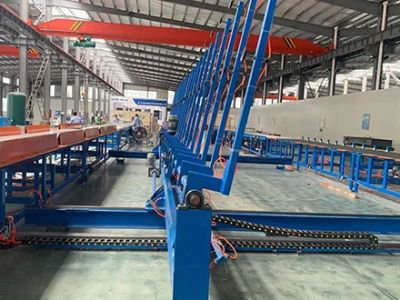
Understanding how sandwich panel line design influences overall production capacity is essential for manufacturers aiming to enhance efficiency and product quality. The design of these lines can significantly affect material handling, production speed, and overall output. This article will address key considerations for B2B buyers, including how to select the right equipment, cost factors, quality control measures, installation guidance, and common production challenges. By understanding these aspects, purchasing managers, engineers, and other professionals can make informed decisions that align with their manufacturing needs.
Choosing the Right Sandwich Panel Line for Your Manufacturing Needs
Selecting the appropriate sandwich panel line is critical for optimizing production capacity. Buyers should consider various factors, including the type of sandwich panels to be produced (e.g., polyurethane, rock wool, EPS), the desired thickness and dimensions, and the production speed required. For instance, a line designed for high-speed production may feature advanced automation and material handling systems, which can reduce manual labor and increase output. Material compatibility is another crucial consideration. Ensure that the sandwich panel line line can accommodate the specific materials you plan to use, as different materials may require distinct processing conditions. Additionally, assess the flexibility of the line regarding product variations, as the ability to switch between different panel types can enhance responsiveness to market demands. Buyers should also evaluate the manufacturer’s capabilities, such as the precision of the machinery and the level of customization available. Shanghai Zhongji Machinery Co., Ltd. leverages European technology to ensure high standards and energy savings, which can significantly impact long-term operational costs.
Understanding the Cost Factors in Sandwich Panel Line Design
The cost of a sandwich panel line can vary significantly based on several factors, including design complexity, material quality, and additional features. Key components that influence pricing include:
Equipment Specifications: High-precision machinery may command a higher initial investment but can lead to lower operational costs through increased efficiency and reduced waste.
Production Capacity: Lines designed for higher output typically cost more upfront. However, they can provide better returns on investment through increased production rates and reduced per-unit costs over time.
Customization Options: Custom features tailored to specific manufacturing needs can add to the cost. Buyers should weigh these costs against the potential benefits of improved efficiency and versatility in production.
Maintenance and Support: Consider ongoing maintenance costs and the availability of technical support. Lines that are easier to maintain may reduce downtime and service costs.
Energy Efficiency: Investing in energy-efficient machinery can lead to significant savings in operational costs, making it a vital consideration in overall cost analysis.
When requesting quotations, provide detailed specifications, including desired materials, production volume, and any customization needs, to ensure accurate pricing and comparison.
Quality Control Measures in Sandwich Panel Manufacturing Processes
Quality control is paramount in sandwich panel manufacturing to ensure that each product meets industry standards and client specifications. Implementing robust quality control measures includes:
Material Inspection: Verify that all incoming materials meet specified standards. This includes checking for consistency in thickness, density, and surface finish, which are crucial for the performance of the final product.
In-Process Monitoring: Regularly monitor production processes to identify any deviations from quality standards. This may involve checking dimensions, adhesive application, and curing times.
Final Product Testing: Conduct comprehensive tests on finished panels, including physical and mechanical testing, to assess their strength, insulation properties, and overall durability.
Employing a quality management system can help streamline these processes, ensuring that every step is documented and compliant with industry regulations. Buyers should inquire about the manufacturer's quality assurance practices and any certifications that may apply to their products.
Installation Guidance for Optimizing Your Sandwich Panel Line
Proper installation of a sandwich panel line is essential for achieving optimal performance and production capacity. Buyers should consider the following aspects during installation:
Site Preparation: Ensure that the installation site is adequately prepared, including necessary utilities (power, water, compressed air) and sufficient space for equipment and material storage.
Professional Installation Services: Consider hiring professionals with experience in installing sandwich pu sandwich panel line. Proper setup can prevent operational issues and ensure that the equipment functions as intended from the start.
Calibration and Testing: After installation, calibrate the system according to manufacturer specifications. Conduct thorough testing before commencing full production to identify and resolve any issues.
Training for Operators: Provide comprehensive training for machine operators to ensure they understand the equipment's operation, maintenance, and safety protocols. Well-trained personnel can significantly enhance production efficiency and quality.
Ongoing Support: Establish a relationship with the equipment manufacturer for ongoing technical support and maintenance services. This can help address any operational challenges that may arise post-installation.
Common Problems in Sandwich Panel Production and Their Solutions
Despite advanced technology, common issues can arise during sandwich panel production that may impact overall capacity. Understanding these challenges and their solutions can help mitigate risks:
Material Inconsistencies: Variations in raw materials can lead to defects in the final product. Implementing strict inspection protocols and working with reputable suppliers can minimize this risk.
Machine Downtime: Equipment failures can halt production. Regular maintenance schedules and having spare parts readily available can reduce downtime.
Adhesive Issues: Improper adhesive application can compromise panel integrity. Ensure correct adhesive types and application methods are used, and regularly check the curing process for consistency.
Temperature and Humidity Fluctuations: Environmental conditions can affect production quality. Maintain a controlled environment when feasible, especially during curing and bonding processes.
Operator Errors: Mistakes during operation can lead to defects. Continuous training and clear operational guidelines can help reduce errors and enhance productivity.
By being aware of these potential issues and implementing solutions, manufacturers can maintain higher production capacity and quality standards in their sandwich panel operations. By focusing on these key areas, B2B buyers can make informed decisions regarding sandwich eps sandwich panel line design, ensuring their manufacturing processes are efficient, cost-effective, and capable of producing high-quality products that meet market demands.
Table of Contents
- Choosing the Right Sandwich Panel Line for Your Manufacturing Needs
- Understanding the Cost Factors in Sandwich Panel Line Design
- Quality Control Measures in Sandwich Panel Manufacturing Processes
- Installation Guidance for Optimizing Your Sandwich Panel Line
- Common Problems in Sandwich Panel Production and Their Solutions