
 EN
 AR
 BG
 HR
 FR
 DE
 IT
 JA
 KO
 PL
 PT
 RO
 RU
 ES
 ID
 LV
 LT
 SR
 SK
 SL
 UK
 VI
 ET
 HU
 TH
 TR
 FA
 GA
 BE
 HY
 AZ
 KA
 BN
 LA
 MN
 NE
 MY
 KK
 TG
 UZ
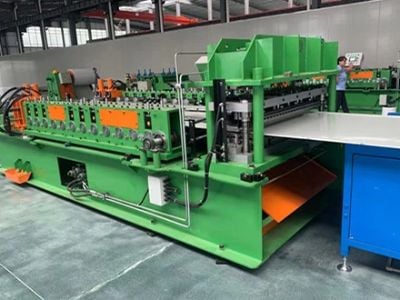
High-performance sandwich panel machines are essential for the efficient production of composite panels used in various industries, including construction, refrigeration, and transportation. Understanding what technical parameters define a high-performance sandwich sandwich panel machine is crucial for purchasing managers and engineers who aim to select the right equipment for their manufacturing needs. This article will provide insights into the specifications, quality indicators, and cost factors associated with these machines, helping you make well-informed decisions that align with your production requirements.
What Technical Specifications Define a High-Performance Sandwich Panel Machine?
When evaluating high-performance sandwich panel machines, several technical specifications are paramount. Key parameters include:
Production Speed: The output per hour is a critical factor. A high-performance machine typically achieves speeds of 2-10 meters per minute, which directly influences production efficiency and cost-effectiveness. Buyers should assess their production volume needs to determine the appropriate speed.
Panel Thickness and Width: Machines must accommodate various panel sizes to meet diverse application requirements. High-performance machines can produce panels ranging from 50mm to 300mm in thickness and widths up to 1,200mm. Confirming the machine's adaptability to your specific size requirements is crucial.
Material Compatibility: The machine should be compatible with different core materials such as polyurethane, rock wool, and EPS. This versatility allows manufacturers to cater to specific insulation and structural needs. Ensure that the machine's design supports the intended material types.
Energy Efficiency: polyurethane sandwich panel machine equipped with energy-saving technologies, such as variable frequency drives and optimized heating systems, contribute to lower operational costs. Look for machines that can demonstrate significant energy savings compared to traditional systems.
Precision and Control Systems: Advanced control systems with programmable logic controllers (PLCs) enable precise adjustments during production, ensuring consistent quality. Evaluate the machine's user interface and the complexity of the control system to understand the ease of operation.
Durability and Maintenance: High-quality components and robust construction contribute to a machine's lifespan and reduce downtime due to maintenance. Investigate the materials used in construction and the manufacturer's maintenance support services.
Key Quality Indicators for Sandwich Panel Machines in Bulk Orders
When ordering sandwich panel machines in bulk, several quality indicators should be prioritized to ensure consistency and reliability:
Certification Compliance: Verify whether the machines comply with international standards such as ISO, CE, or other relevant certifications. These certifications indicate adherence to quality and safety protocols.
Quality Control Processes: Understanding the manufacturer's quality assurance processes is vital. A reputable manufacturer should conduct rigorous testing during and after production, including operational testing and dimensional accuracy checks.
Warranty and After-Sales Support: A robust warranty and reliable after-sales support are crucial quality indicators. Ensure that the manufacturer provides comprehensive service agreements, including parts replacement and maintenance support.
Historical Performance Data: Request performance data from previous installations to assess the machine's historical performance. This information can provide insights into operational reliability and maintenance frequency.
Customization Capabilities: High-quality manufacturers offer customization options to meet specific production needs. Confirm the extent to which machines can be tailored to your requirements, including modifications to size, speed, or technology.
Comparing Technical Parameters of Leading Sandwich Panel Machines
When comparing different sandwich panel machines, it is essential to focus on specific technical parameters that directly impact performance:
| Feature | Machine A | Machine B | Machine C |
|---|---|---|---|
| Production Speed | 5 m/min | 7 m/min | 10 m/min |
| Panel Thickness Range | 50mm - 200mm | 50mm - 300mm | 50mm - 250mm |
| Energy Consumption | Low | Moderate | Low |
| Control System | PLC with Touchscreen | Basic Control Panel | Advanced PLC with IoT |
| Warranty Period | 1 Year | 2 Years | 1.5 Years |
This comparison highlights the importance of aligning machine capabilities with production needs. A machine with higher speed may not always be the best choice if it compromises energy efficiency or panel thickness compatibility.
Cost Factors to Consider When Purchasing Sandwich Panel Machines
Purchasing a sandwich panel machine involves various cost considerations that go beyond the initial purchase price:
Total Cost of Ownership: Evaluate the total cost, including installation, maintenance, and operational expenses. Machines with higher upfront costs may offer lower energy and maintenance costs over time.
Customization Costs: Custom features can significantly impact the overall price. Ensure that you understand the costs associated with any necessary modifications to meet your production specifications.
Shipping and Import Duties: Factor in shipping fees and potential import duties when planning your budget. These costs can vary widely based on the machine's origin and your location.
Training and Support Costs: Consider the costs associated with training your team to operate and maintain the new machine. A manufacturer that offers comprehensive training can help mitigate operational risks.
Return on Investment (ROI): Assess the expected ROI based on increased production efficiency and reduced operational costs. A machine that enhances productivity may justify a higher initial investment.
Common Problems in Sandwich Panel Machinery and Effective Solutions
Even high-performance sandwich panel machines can encounter issues that may affect production. Here are common problems and effective solutions:
Material Jamming: Material jams can occur due to improper alignment or incorrect settings. Regular maintenance and proper operator training on machine setup can minimize this risk.
Quality Inconsistencies: Variations in panel quality may arise from fluctuations in temperature or material inconsistencies. Implementing strict quality control checks and monitoring environmental conditions can enhance product uniformity.
Mechanical Failures: Wear and tear on parts can lead to mechanical failures. Establishing a regular maintenance schedule and keeping spare parts on hand can reduce downtime and ensure continuous production.
Control System Errors: Errors in the control system can disrupt operations. Regular software updates and staff training on troubleshooting techniques can help mitigate these issues.
Energy Inefficiency: Machines that consume excessive energy may lead to higher operational costs. Investing in energy-efficient technologies and monitoring energy consumption regularly can improve overall efficiency.
By understanding these common challenges and solutions, buyers can better prepare for potential issues and select machines that align with their operational needs.
selecting a high-performance sandwich pu sandwich panel machine requires careful consideration of technical specifications, quality indicators, cost factors, and potential challenges. By focusing on these aspects, purchasing managers and engineers can make informed decisions that enhance their manufacturing capabilities.
Table of Contents
- What Technical Specifications Define a High-Performance Sandwich Panel Machine?
- Key Quality Indicators for Sandwich Panel Machines in Bulk Orders
- Comparing Technical Parameters of Leading Sandwich Panel Machines
- Cost Factors to Consider When Purchasing Sandwich Panel Machines
- Common Problems in Sandwich Panel Machinery and Effective Solutions