
 EN
 AR
 BG
 HR
 FR
 DE
 IT
 JA
 KO
 PL
 PT
 RO
 RU
 ES
 ID
 LV
 LT
 SR
 SK
 SL
 UK
 VI
 ET
 HU
 TH
 TR
 FA
 GA
 BE
 HY
 AZ
 KA
 BN
 LA
 MN
 NE
 MY
 KK
 TG
 UZ
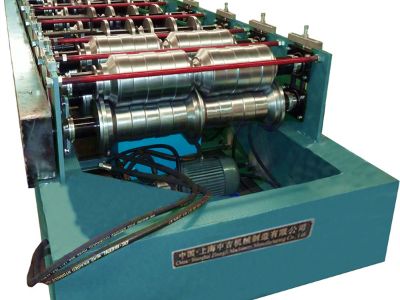
The foam forming machine plays a crucial role in enhancing production consistency within the foam manufacturing sector. By automating and simplifying the forming processes, these machines help manufacturers meet quality standards while improving efficiency. This article will explore the critical factors to consider when selecting a foam forming machine supplier, delve into the types of foam forming machines available, outline key specifications for evaluation, discuss how these machines address common production challenges, and provide installation guidelines to ensure optimal performance.
What to Consider When Choosing a Foam Forming Machine Supplier?
Selecting the right supplier for your foam forming machine is essential for achieving consistent production quality. Start by evaluating the supplier's experience and expertise in foam manufacturing. A supplier with a strong background, like Shanghai Zhongji Machinery Co., Ltd., which specializes in high-tech continuous production lines, can provide valuable insights into machine performance and application suitability.
Next, review the supplier's manufacturing capabilities. Look for high-precision equipment and quality control processes that ensure durability and reliability in their machines. Additionally, inquire about certifications and compliance with industry standards, as these factors can influence production quality and safety.
Finally, consider the supplier's customization options. The ability to tailor machines to specific production needs can significantly enhance operational efficiency. Ensure the supplier can accommodate your requirements for machine specifications, production capacity, and integration with existing systems.
Foam Forming Machines for Your Business
Foam forming machines come in several types, each designed to cater to specific production requirements. For instance, polyurethane foam forming machines are used extensively in the automotive and furniture industries for their lightweight and insulating properties. Meanwhile, EPS (Expanded Polystyrene) foam forming machines are ideal for packaging applications due to their excellent cushioning capabilities.
When choosing a foam forming machine for your business, consider the type of foam you intend to produce and the specific applications. The right machine can streamline your production process, reduce waste, and enhance the overall quality of your foam products. Additionally, assess the machine's compatibility with various materials and its ability to handle different production volumes.
Key Specifications for Evaluating Foam Forming Machines
When evaluating foam forming machines, buyers should focus on several critical specifications that impact performance. These include:
Production Capacity: Determine how many units the machine can produce within a specific timeframe. This will help assess whether the machine can meet your production demands.
Material Compatibility: Ensure the machine can handle the specific types of foam you intend to produce. Different foams may require unique forming processes or temperature controls.
Precision and Tolerance: High-precision machines reduce waste and ensure product quality. Investigate the machine's tolerances and how they align with your quality standards.
Energy Efficiency: Look for roll forming machine that incorporate energy-saving technologies. This not only reduces operational costs but also aligns with sustainable manufacturing practices.
Ease of Operation and Maintenance: A user-friendly design can minimize training time for operators and reduce downtime during maintenance.
Understanding how these specifications influence the production process will help you make an informed decision when selecting a foam forming machine.
How Foam Forming Machines Solve Common Production Problems?
Foam manufacturing often encounters various challenges, including material waste, inconsistent product quality, and slow production rates. Foam forming machines directly address these issues:
Reduced Material Waste: Advanced forming technologies optimize material usage, leading to less scrap and lower costs.
Improved Consistency: Automated processes ensure uniformity in foam density and structure, critical for applications where performance is paramount.
Faster Production Rates: With high-speed operation capabilities, foam forming machine can significantly increase throughput, enabling manufacturers to meet tight deadlines.
Quality Control: Many modern machines incorporate real-time monitoring systems to detect deviations from quality standards, allowing for immediate adjustments to maintain production consistency.
By addressing these common problems, foam forming machines contribute to a more efficient and reliable manufacturing process.
Installation Guidelines for Efficient Foam Forming Machinery Setup
Proper installation of foam forming machinery is vital for optimal performance and longevity. Here are key guidelines to follow:
Site Preparation: Ensure the installation area is clean and spacious enough to accommodate the machine and any necessary auxiliary equipment. Proper ventilation and temperature control are also crucial.
Technical Specifications: Adhere to the manufacturer's specifications for power supply, water connections, and any other utilities required for operation. Confirm that all installation requirements align with local regulations.
Calibration and Testing: After installation, conduct thorough testing to calibrate the machine. This involves running test batches to ensure it operates within the desired specifications and meets quality standards.
Operator Training: Provide comprehensive training for operators to familiarize them with the machine's features and functions. Well-trained staff can significantly reduce operational errors and enhance productivity.
Regular Maintenance: Develop a maintenance schedule to ensure the machine remains in optimal working condition. Regular checks can prevent unexpected downtimes and prolong the machine's lifespan.
By following these guidelines, manufacturers can ensure that their foam forming machinery operates efficiently, ultimately contributing to improved production consistency and quality.
In summary, understanding the role of foam forming machines in production consistency is essential for any business in the foam manufacturing industry. By carefully considering supplier selection, machine specifications, and installation practices, manufacturers can optimize their operations and achieve superior product quality.