
 EN
 AR
 BG
 HR
 FR
 DE
 IT
 JA
 KO
 PL
 PT
 RO
 RU
 ES
 ID
 LV
 LT
 SR
 SK
 SL
 UK
 VI
 ET
 HU
 TH
 TR
 FA
 GA
 BE
 HY
 AZ
 KA
 BN
 LA
 MN
 NE
 MY
 KK
 TG
 UZ
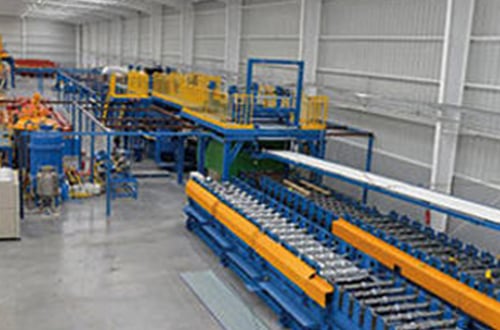
Understanding what determines the speed of a sandwich panel line is crucial for manufacturers and buyers alike. Speed can significantly influence production efficiency and overall operational costs. For businesses in the manufacturing sector, identifying the key factors that impact the speed of these lines is essential for optimizing performance. This article will explore these determinants, guiding purchasing managers and engineers in selecting the right equipment for their operational needs.
What Factors Influence the Speed of a Sandwich Panel Line?
Several factors directly affect the speed of a sandwich panel line, each playing a vital role in determining the overall efficiency of production. Key elements include:
Machine Configuration: The design and setup of the PU sandwich panel line, including the arrangement of components like the foaming unit, curing station, and cutting machinery, can influence production speed. A well-configured line minimizes downtime and optimizes workflow.
Material Properties: The type and properties of materials being processed such as polyurethane, rock wool, or EPS affect the speed. For example, the curing time of the adhesive used in sandwich panels will directly impact how quickly the panels can be produced without compromising quality.
Production Capacity: The maximum output capacity of the line determines how quickly products can be manufactured. Higher capacity lines can produce more panels per hour, but they may require more sophisticated machinery and setup.
Automation Level: Automated systems tend to operate faster than semi-automated or manual systems. The integration of automated controls for material feeding, cutting, and stacking can significantly boost throughput.
Operator Skill and Training: The proficiency of operators can influence machine speed. Well-trained personnel can quickly identify and troubleshoot issues, minimizing production stoppages and enhancing overall efficiency.
Understanding these factors helps buyers assess how well a particular sandwich panel line will meet their production needs.
How to Choose the Right Sandwich Panel Line for Your Needs
Selecting the right sandwich panel line requires careful consideration of various specifications and operational factors. Here are some key points to guide your decision:
Production Requirements: Determine the required output volume and panel specifications. Consider dimensions, thickness, and material types to ensure the line can handle your specific demands.
Customization Options: Assess whether the manufacturer offers customization capabilities. Lines that can be tailored to specific production needs allow for flexibility in manufacturing processes.
Energy Efficiency: Evaluate the energy consumption of the equipment. Machines featuring advanced technology with energy-saving features can lower operational costs in the long run.
Lead Time and Availability: Understand the lead time for delivery and installation. Ensure that the manufacturer can meet your project timelines to avoid delays in production.
After-Sales Support: Consider the manufacturer's reputation for after-sales support and service. Reliable support is essential for maintaining production efficiency and addressing any operational issues that may arise.
By aligning these aspects with your business needs, you can make a more informed decision about which sandwich panel line will best suit your manufacturing process.
Quality Control Measures in Sandwich Panel Line Production
Effective quality control is paramount in sandwich panel production line to ensure that the final product meets industry standards and customer expectations. Key quality control measures include:
Material Inspection: Before production begins, inspect raw materials for compliance with specifications. This includes verifying the properties of foams and outer skins to ensure they meet desired performance levels.
In-Process Monitoring: Implement real-time monitoring systems to track production parameters such as temperature, pressure, and curing times. This helps identify deviations from acceptable standards during the manufacturing process.
End-of-Line Testing: Conduct rigorous testing of finished panels for structural integrity, thermal performance, and dimensional accuracy. This can include load tests and thermal resistance assessments.
Sample Approval: Before commencing mass production, it’s advisable to approve a sample batch. This allows for verification of the production line’s capability to meet specifications consistently.
Incorporating these quality control measures enhances product reliability and reduces the risk of defects, ultimately contributing to customer satisfaction.
Where to Source Reliable Sandwich Panel Line Suppliers
Finding a reputable supplier for sandwich panel lines involves several steps:
Industry Recommendations: Seek recommendations from industry peers or associations that have experience with sandwich panel production. They can provide valuable insights into reliable suppliers.
Supplier Reviews and Testimonials: Research online reviews and testimonials from previous customers. This feedback can help gauge the reliability and quality of the supplier’s products.
Certifications and Compliance: Verify that potential suppliers have the necessary certifications and comply with industry standards. This may include ISO certifications or compliance with safety regulations.
Visit Manufacturing Facilities: If possible, visit the supplier’s manufacturing facilities. This allows you to assess their production capabilities, quality control processes, and overall operational standards.
Request Detailed Quotations: When contacting suppliers, provide detailed specifications for your required sandwich panel line. This will help suppliers deliver accurate quotations and understand your unique needs.
By following these steps, you can identify a supplier that aligns with your operational goals and quality standards.
Applications of Sandwich Panel Lines in Industrial Projects
Sandwich panel lines are versatile and find applications across various industries. Common industrial applications include:
Construction: Sandwich panels are widely used in building facades, roofs, and interior walls due to their excellent insulation properties and structural efficiency. This application supports rapid construction timelines and energy-efficient buildings.
Cold Storage: In the food and pharmaceutical industries, sandwich panels are critical for constructing cold storage facilities. Their thermal insulation capabilities help maintain temperature-controlled environments.
Modular Buildings: The lightweight and customizable nature of sandwich panels makes them ideal for modular construction projects, allowing for quick assembly and disassembly.
Transportation: Sandwich panels are utilized in the manufacturing of vehicles, including trailers and shipping containers, where weight reduction coupled with strength is crucial.
Understanding these applications helps buyers recognize the broad potential of continuous sandwich panel production line and their significance in meeting industry-specific demands.
By considering these factors and insights into sandwich panel line production, buyers can make informed decisions that enhance their manufacturing efficiency and product quality.