
 EN
 AR
 BG
 HR
 FR
 DE
 IT
 JA
 KO
 PL
 PT
 RO
 RU
 ES
 ID
 LV
 LT
 SR
 SK
 SL
 UK
 VI
 ET
 HU
 TH
 TR
 FA
 GA
 BE
 HY
 AZ
 KA
 BN
 LA
 MN
 NE
 MY
 KK
 TG
 UZ
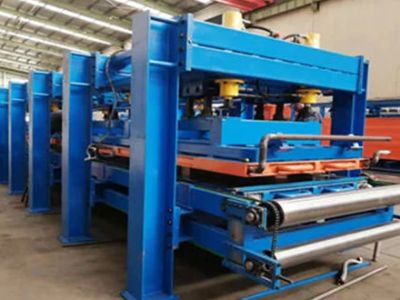
Sandwich panels are a crucial component in modern manufacturing processes, designed to optimize production flow and streamline material handling. we will explore how a sandwich panel line can significantly enhance production efficiency, what factors to consider when selecting a supplier, how to compare specifications for your specific projects, installation guidance for maximum performance, and the diverse applications of sandwich panels in today's industrial landscape. Understanding these elements will help purchasing managers, engineers, and product managers make informed decisions that align with their operational needs.
How Sandwich Panels Enhance Production Flow Efficiency?
The integration of sandwich panels into production lines can dramatically improve efficiency in various ways. Sandwich panels consist of two outer layers of material, typically metal or composite, enclosing a core material such as polyurethane, rock wool, or EPS (expanded polystyrene). This layered structure not only provides superior insulation but also contributes to lightweight construction, reducing the energy required for transportation and installation.
By utilizing sandwich panels, manufacturers can minimize the weight of their structures without compromising strength or durability. This reduction in weight can lead to lower transportation costs and quicker installation times, positively impacting the overall production flow. Furthermore, the thermal insulation properties of sandwich panels help maintain controlled environments in production facilities, thereby reducing energy consumption and operational costs.
Additionally, sandwich pu sandwich panel line can facilitate modular construction, allowing for faster assembly and disassembly of production lines. This flexibility can be essential for companies looking to adapt to changing market demands or expand their operations without significant downtime.
What to Consider When Choosing a Sandwich Panel Supplier?
Selecting the right sandwich panel supplier is critical for ensuring the success of your project. Several factors should be considered:
Manufacturing Capabilities: Evaluate the supplier's ability to produce panels that meet your specific requirements, including dimensions, material types, and insulation values. Reliable manufacturers, like Shanghai Zhongji Machinery Co., Ltd., leverage advanced technology and high-precision equipment to deliver consistent quality.
Customization Options: Assess whether the supplier can tailor their products to your unique specifications, such as custom sizes, colors, or finishes. Customization may be necessary to meet specific regulatory requirements or aesthetic standards.
Quality Control Processes: Ensure that the supplier has stringent quality control measures in place to guarantee product integrity. This includes inspections at various stages of production, adherence to industry standards, and certifications that confirm the pu sandwich panel line meet relevant thermal and structural performance criteria.
Lead Times and MOQ: Understand the supplier's lead times for production and delivery, as well as the minimum order quantity (MOQ) requirements. Align these factors with your project timeline to avoid delays.
After-Sales Support: A reliable supplier should offer comprehensive after-sales support, including guidance on installation, maintenance, and troubleshooting.
Comparing Sandwich Panel Specifications for Your Projects
When evaluating sandwich panels for your projects, it's essential to compare key specifications that directly affect performance and suitability. Here are several critical factors to consider:
Thickness: The thickness of the sandwich panel impacts its insulation properties and structural integrity. Thicker panels generally provide better thermal resistance but may also increase weight.
Core Material: Different core materials offer varying benefits. For example, polyurethane provides excellent insulation and is lightweight, while rock wool is fire-resistant and ideal for applications requiring enhanced fire safety.
Face Material: The outer layers can be made from materials such as galvanized steel, aluminum, or fiberglass. Each material comes with its own set of advantages in terms of durability, aesthetics, and resistance to environmental factors.
Thermal Conductivity: Look for eps sandwich panel line with low thermal conductivity values if insulation is a priority. This specification is crucial for energy efficiency, especially in climate-controlled environments.
Load-Bearing Capacity: Ensure that the panels you choose can support the intended load without compromising structural integrity. This is particularly important in applications involving heavy machinery or equipment.
By systematically comparing these specifications, you can determine which sandwich panels best meet the demands of your specific project.
Installation Guidance for Optimal Sandwich Panel Performance
Proper installation is vital to maximize the performance of sandwich panels. Here are practical tips to ensure optimal results:
Site Preparation: Ensure that the installation site is clean, dry, and free from debris. Any contamination can affect the adhesive properties of the panels.
Alignment and Fastening: Panels should be installed in a manner that allows for proper alignment and secure fastening. Misalignment can lead to thermal bridging and reduced insulation effectiveness.
Sealant Application: Use appropriate sealants at panel joints to prevent air and moisture infiltration. This step is crucial for maintaining thermal performance and preventing potential water damage.
Temperature Considerations: Be mindful of temperature conditions during installation. Extreme temperatures can affect the materials' properties and adhesion, so it's advisable to follow the manufacturer’s guidelines regarding installation temperatures.
Inspection Post-Installation: After installation, conduct a thorough inspection to ensure that all panels are properly secured and sealed. Any defects should be addressed immediately to avoid future complications.
Applications of Sandwich Panels in Modern Manufacturing Processes
Sandwich panels have a wide range of applications across various industries, demonstrating their versatility and effectiveness. Some common uses include:
Industrial Insulation: In cold storage facilities and temperature-sensitive manufacturing processes, sandwich panels provide excellent thermal insulation, helping to maintain required temperatures while minimizing energy costs.
Modular Construction: Their lightweight and modular nature makes sandwich panels ideal for quickly assembling temporary structures, such as site offices or emergency shelters.
Clean Rooms: In sectors such as pharmaceuticals and electronics, sandwich panels are used to construct clean rooms that require strict environmental controls, ensuring a contaminant-free space.
Prefabricated Buildings: Many companies utilize sandwich panels in the prefabricated construction of warehouses, factories, and commercial buildings, taking advantage of quick assembly and energy efficiency.
Transport and Logistics: Sandwich panels are also employed in the manufacturing of refrigerated trucks and containers, providing the necessary insulation to keep perishable goods at optimal temperatures.
By understanding the various applications of sandwich panels, manufacturers can leverage their benefits to enhance operational efficiency and meet specific industry needs.
In summary, incorporating sandwich panels into your production line can lead to significant improvements in efficiency, cost savings, and operational flexibility. By carefully selecting a supplier, understanding product specifications, ensuring proper installation, and recognizing their various applications, you can optimize your manufacturing processes to meet the evolving demands of your industry.