
 EN
 AR
 BG
 HR
 FR
 DE
 IT
 JA
 KO
 PL
 PT
 RO
 RU
 ES
 ID
 LV
 LT
 SR
 SK
 SL
 UK
 VI
 ET
 HU
 TH
 TR
 FA
 GA
 BE
 HY
 AZ
 KA
 BN
 LA
 MN
 NE
 MY
 KK
 TG
 UZ
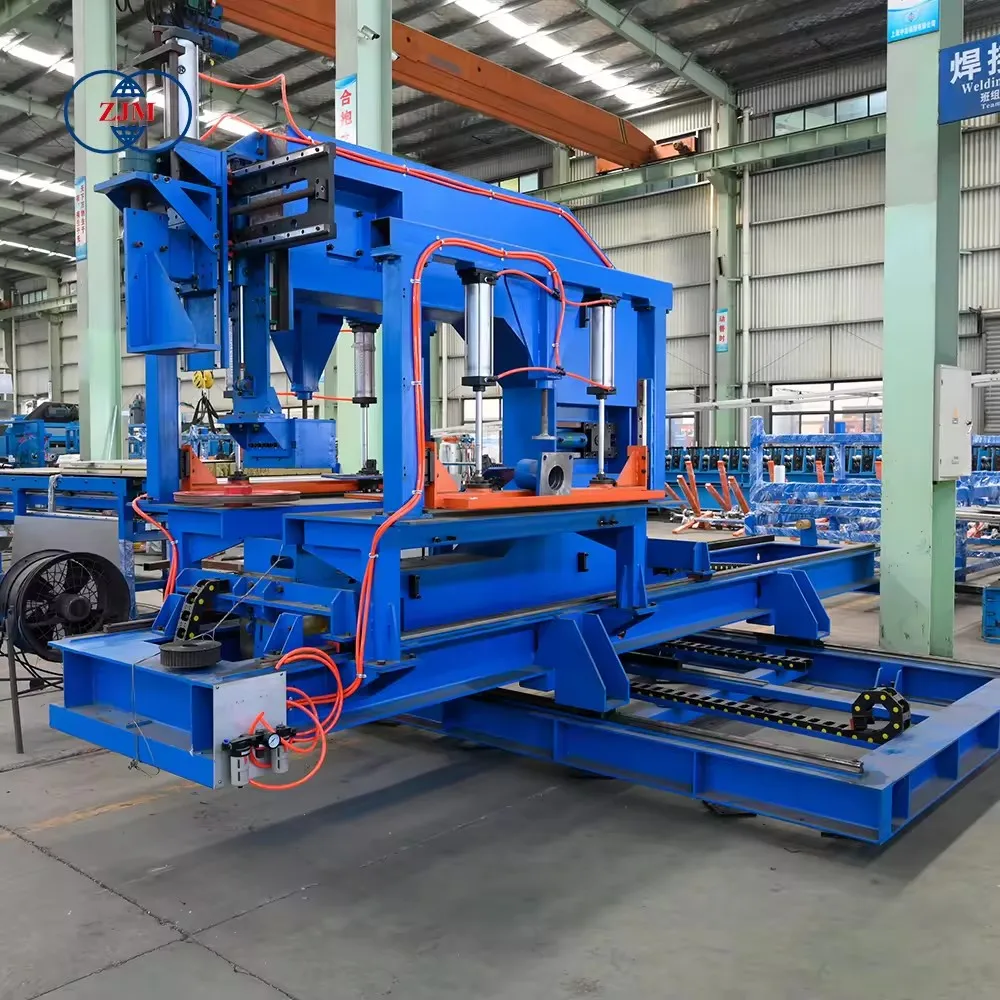
In the manufacturing of sandwich panels, production accuracy is essential for ensuring that the final products meet quality standards and application requirements. When considering why production accuracy matters in sandwich panel manufacturing, buyers must address concerns about material integrity, structural performance, and overall cost-effectiveness. This article will explore the key specifications necessary for achieving production accuracy, how to find reliable suppliers, evaluate cost factors, select appropriate materials, and provide installation guidelines to maximize accuracy in applications.
Key Specifications for Ensuring Production Accuracy in Manufacturing
Achieving production accuracy in PU sandwich panel line manufacturing requires strict adherence to key specifications. Some of the most critical specifications include:
Thickness and Dimensions: The thickness of sandwich panels directly affects their insulation properties and structural strength. It is essential to define the required thickness based on application needs, as panels that are too thin may not provide adequate thermal insulation, while overly thick panels can increase costs unnecessarily.
Material Composition: The choice of core material, whether polyurethane, rock wool, or EPS, impacts the overall performance of the panel. Each material offers different thermal resistance, fire ratings, and mechanical properties. Understanding the application’s environmental conditions will guide the selection of the appropriate core material.
Surface Treatment and Finish: The surface finish of sandwich panels can affect adhesion during installation and the panel's longevity. A smooth finish can enhance aesthetic appeal, while proper surface treatment ensures resistance to moisture and environmental factors.
Sealing and Joint Design: Accurate sealing mechanisms are vital for maintaining the integrity of sandwich panels. The design of joints and seals must be precise to prevent moisture ingress and ensure thermal performance.
Monitoring these specifications during the manufacturing process is crucial. Any deviations can lead to significant issues, including reduced energy efficiency and compromised structural integrity. Engaging with experienced manufacturers, such as Shanghai Zhongji Machinery Co., Ltd., can help ensure that these specifications are met consistently.
Where to Find Reliable Suppliers for Accurate Sandwich Panels
Finding a reliable supplier for sandwich panels involves evaluating several factors. Start by assessing the supplier's manufacturing capabilities and experience in the industry. Look for companies that specialize in sandwich panel production and have a proven track record of quality and precision.
Certifications and Quality Assurance: Select suppliers who adhere to international quality standards and possess relevant certifications. These certifications ensure that the supplier follows strict quality control processes, which is essential for achieving production accuracy.
Product Range and Customization: A supplier that offers a diverse range of products and customization options can better meet specific project requirements. Inquire about their ability to produce panels in various sizes, materials, and finishes.
Previous Projects and Client References: Request case studies or references from previous clients to gauge the supplier's reliability and production accuracy. Feedback from other businesses can provide insights into the supplier’s performance and customer service.
Technical Support and Consultation: A knowledgeable supplier should offer technical support during the selection and installation process. They should be able to provide guidance on material selection, installation practices, and maintenance considerations.
By prioritizing these aspects, buyers can identify suppliers capable of delivering accurate and reliable sandwich panels.
Evaluating Cost Factors Related to Accurate Sandwich Panel Production
Cost is a significant consideration when evaluating sandwich panel production machine, but it is essential to understand how production accuracy influences overall expenses. Several cost factors should be assessed:
Material Costs: The choice of core material and facing materials directly impacts the production cost. Higher quality materials may increase initial costs but can lead to long-term savings through improved energy efficiency and durability.
Production Processes: The complexity of the manufacturing process affects labor and operational costs. Advanced technologies, like those used by Shanghai Zhongji Machinery Co., Ltd., can enhance production speed and accuracy, potentially lowering costs over time.
Quality Control Measures: Investing in robust quality control measures can prevent defects and reduce waste during production. While this may increase upfront costs, it often results in lower overall expenses due to minimized rework and returns.
Logistics and Delivery: Consider the costs associated with transportation and delivery. Suppliers located closer to the project site may offer more competitive shipping rates, impacting the total cost of ownership.
Buyers should conduct a thorough cost-benefit analysis to ensure that the chosen supplier balances quality and affordability while meeting production accuracy standards.
Choosing the Right Materials for Enhanced Production Accuracy
Selecting the appropriate materials is crucial for enhancing production accuracy in sandwich panel manufacturing. Different materials offer various advantages and potential limitations:
Core Materials: The core material should be chosen based on the intended application. For instance, polyurethane provides excellent thermal insulation but may be less fire-resistant compared to rock wool. Buyers should evaluate the environmental conditions and performance requirements to make informed choices.
Facing Materials: The type of facing material (such as steel or aluminum) contributes to the panel's durability and aesthetic qualities. Consider factors like corrosion resistance, weight, and ease of installation when selecting facing materials.
Adhesives and Sealants: The choice of adhesives and sealants used in the manufacturing process plays a vital role in maintaining the structural integrity of sandwich panels. High-quality adhesives ensure proper bonding and performance, while sealants protect against moisture and environmental exposure.
Sustainability Considerations: In today’s market, many buyers prioritize sustainable materials. Consider suppliers who offer eco-friendly options without compromising on quality or performance.
By carefully evaluating materials, buyers can ensure that their sandwich panels meet production accuracy requirements and perform effectively in their intended applications.
Installation Guidelines for Maximizing Accuracy in Panel Applications
Proper installation is key to maximizing the performance and accuracy of high quality sandwich panel production line. Here are some essential guidelines to follow:
Site Preparation: Ensure the installation site is adequately prepared and free of debris. A clean, level surface helps achieve accurate panel alignment and placement.
Use of Templates and Measuring Tools: Employ templates and measuring tools to ensure that panels are cut and installed according to specified dimensions. Accurate measurements prevent misalignments that could compromise structural integrity.
Adhering to Manufacturer Guidelines: Follow the manufacturer’s installation instructions closely. This includes recommendations on the use of adhesives, sealants, and fastening techniques.
Quality Checks During Installation: Perform regular quality checks throughout the installation process. Inspect for proper alignment, secure fastening, and correct sealing to prevent potential issues later.
Training for Installation Teams: Provide training for installation teams to ensure they understand best practices and the importance of maintaining production accuracy during installation.
By adhering to these installation guidelines, buyers can ensure that their sandwich panels perform as intended, leading to effective insulation and structural stability over time.
Table of Contents
- Key Specifications for Ensuring Production Accuracy in Manufacturing
- Where to Find Reliable Suppliers for Accurate Sandwich Panels
- Evaluating Cost Factors Related to Accurate Sandwich Panel Production
- Choosing the Right Materials for Enhanced Production Accuracy
- Installation Guidelines for Maximizing Accuracy in Panel Applications