
 EN
 AR
 BG
 HR
 FR
 DE
 IT
 JA
 KO
 PL
 PT
 RO
 RU
 ES
 ID
 LV
 LT
 SR
 SK
 SL
 UK
 VI
 ET
 HU
 TH
 TR
 FA
 GA
 BE
 HY
 AZ
 KA
 BN
 LA
 MN
 NE
 MY
 KK
 TG
 UZ
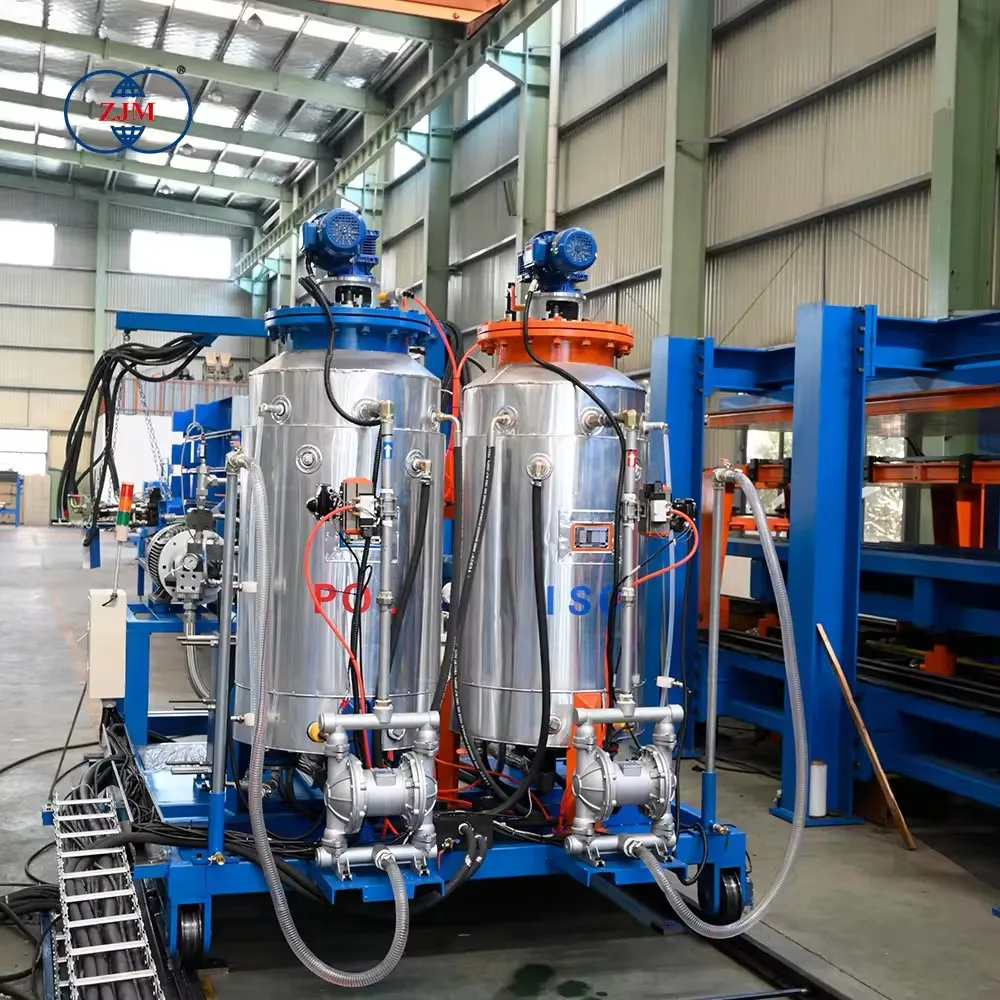
The manufacturing of sandwich panels is a critical process in various industries, providing essential insulation and structural integrity for construction and other applications. Understanding the key stages of modern sandwich panel manufacturing can help buyers, including purchasing managers and engineers, make informed decisions regarding sourcing, performance, and costs. This article will delve into the key stages of this process, examine cost factors, explore bulk sourcing, discuss common manufacturing issues, and outline best practices to enhance both quality and efficiency.
Understanding Key Stages in Sandwich Panel Manufacturing Process
The manufacturing of sandwich panels typically involves several key stages: material preparation, core formation, panel assembly, and quality control.
Material Preparation: This initial stage involves selecting and preparing the materials. Common materials for PU sandwich panel line include polyurethane, rock wool, and expanded polystyrene (EPS), which are chosen based on their insulating properties and application requirements. The materials must meet specific technical parameters to ensure they perform adequately under intended use conditions.
Core Formation: In this stage, the core material is shaped into the desired thickness and size. The choice of core material affects the panel's thermal insulation, fire resistance, and mechanical strength. For example, a polyurethane core offers superior insulation, while rock wool provides excellent fire resistance.
Panel Assembly: This is where the core is sandwiched between two outer layers, often made from color-coated steel sheets. The outer layers are bonded to the core using advanced adhesive methods or a continuous lamination process, ensuring a robust connection. The precision of this bonding process is crucial for the panel's overall strength and durability.
Quality Control: Following assembly, rigorous quality control ensures that each panel meets industry standards. This may include dimensional checks, adhesive bond testing, and performance assessments under various conditions. Quality inspections at this stage are vital to avoid issues during installation and use.
By understanding these stages, buyers can better evaluate potential suppliers based on their manufacturing capabilities and the quality of the final product.
Evaluating the Cost Factors in Sandwich Panel Production
Cost evaluation in sandwich panel production involves multiple factors that can significantly influence pricing. Key elements include:
Material Costs: The choice of core and outer materials impacts the overall cost. For instance, high-performance materials like polyurethane tend to be more expensive than EPS but may offer better insulation and energy savings in the long run.
Production Scale: Economies of scale play a critical role. High-volume orders can reduce the per-unit cost, making it essential for buyers to consider their order quantity. Minimum order quantities (MOQ) may also affect pricing, especially for custom solutions.
Manufacturing Technology: The technology used in production, such as automated line capabilities, can affect labor costs and efficiency. High-precision manufacturing methods ensure better quality but may involve higher upfront costs.
Logistics and Shipping: The cost of transporting the finished panels to the project site is another critical factor. Buyers should consider the distance and delivery method, as these can lead to significant cost variations.
Market Fluctuations: Prices for raw materials can fluctuate based on market conditions, impacting overall production costs. Buyers should stay informed about market trends to make timely purchasing decisions.
By evaluating these cost factors, buyers can better prepare for budget discussions and supplier negotiations.
Sourcing Sandwich Panels for Bulk Orders
When sourcing sandwich panel machines for bulk orders, several considerations can enhance the procurement process:
Product Specifications: Clearly define the required specifications, including dimensions, materials, and performance characteristics. This helps ensure that the panels meet the project's requirements and reduces the likelihood of discrepancies.
Supplier Evaluation: Assess potential suppliers based on their manufacturing capabilities, quality control processes, and industry experience. A supplier like Shanghai Zhongji Machinery Co., Ltd., known for its high-tech continuous production lines and adherence to European standards, can be a reliable choice.
Samples and Prototyping: Before committing to a bulk order, request samples to validate that the products meet your specifications. Testing these samples under actual conditions is crucial for confirming their suitability.
Customization Options: Determine if the supplier can accommodate customization for specific project needs, such as unique dimensions or material combinations. Custom solutions can enhance performance but may require longer lead times.
Lead Time Management: Discuss lead times with suppliers to align delivery schedules with project timelines. Understanding production capacities and potential bottlenecks can help avoid delays.
By focusing on these aspects, buyers can ensure a smooth sourcing process and secure high-quality sandwich panels for their projects.
Common Problems in Sandwich Panel Manufacturing and Solutions
Despite advancements in manufacturing, several common problems can arise during the production of sandwich panels:
Adhesive Bond Failures: Inadequate bonding between the core and outer layers can lead to delamination. To mitigate this risk, manufacturers should ensure proper surface preparation and adhesive application, along with rigorous quality checks.
Dimensional Variability: Panels that do not meet specified dimensions can cause installation issues. Implementing strict dimensional controls during the manufacturing process and utilizing precision equipment can help maintain consistency.
Material Defects: Variations in raw materials can lead to inconsistent performance. Establishing strong relationships with reliable suppliers and conducting thorough inspections of incoming materials can reduce this risk.
Production Downtime: Equipment failures can disrupt manufacturing schedules. Regular maintenance of machinery and investing in high-quality equipment can minimize downtime and enhance production efficiency.
Thermal Insulation Performance: If not manufactured correctly, panels may not achieve the required thermal insulation levels. Employing advanced manufacturing techniques and conducting performance testing can ensure that panels meet energy efficiency standards.
By proactively addressing these common issues, manufacturers can enhance the quality and reliability of sandwich panels, leading to greater customer satisfaction.
Best Practices
To ensure optimal results in sandwich panel manufacturing, the following best practices should be adopted:
Engage in Continuous Improvement: Regularly review and refine manufacturing processes to enhance efficiency and product quality. Implementing lean manufacturing principles can help eliminate waste and streamline production.
Invest in Technology: Utilize advanced manufacturing technologies, such as automation and precision equipment, to improve accuracy and reduce production times. Staying updated with industry trends can provide a competitive edge.
Prioritize Quality Control: Establish clear quality control protocols at each stage of production. Regular audits and inspections help maintain high standards and identify areas for improvement.
foster Supplier Relationships: Collaborate closely with suppliers to ensure material quality and timely delivery. Building strong partnerships can lead to better pricing and reliability.
Train Workforce: Investing in workforce training ensures that employees are knowledgeable about best practices and equipped to handle machinery and processes effectively.
By implementing these best practices, manufacturers can not only improve the quality of high quality sandwich panel production line but also enhance operational efficiency and customer satisfaction.
Through a thorough understanding of the key stages, cost factors, sourcing strategies, common problems, and best practices in modern sandwich panel manufacturing, buyers can make informed decisions that lead to successful project outcomes.