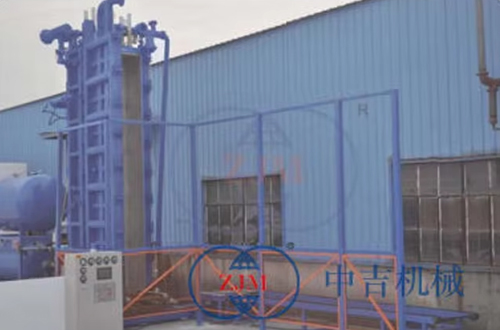
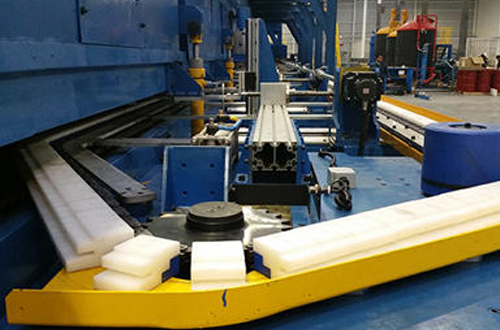
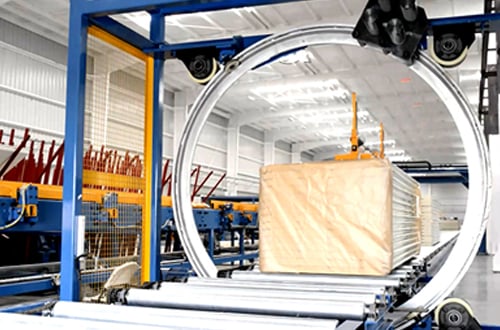
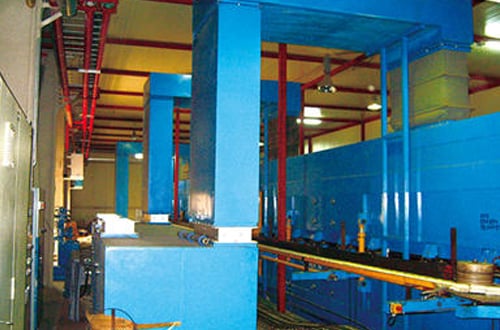
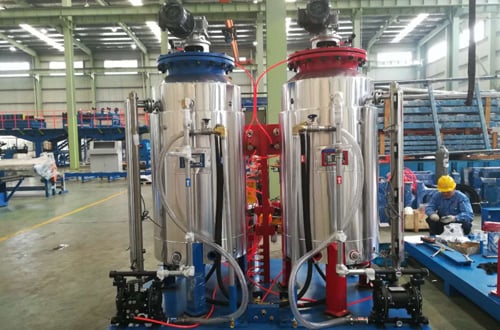
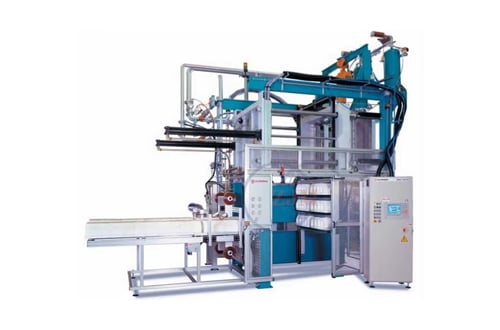
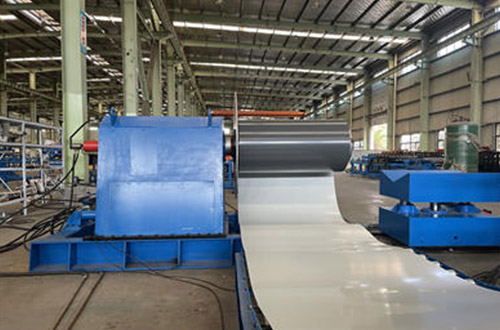
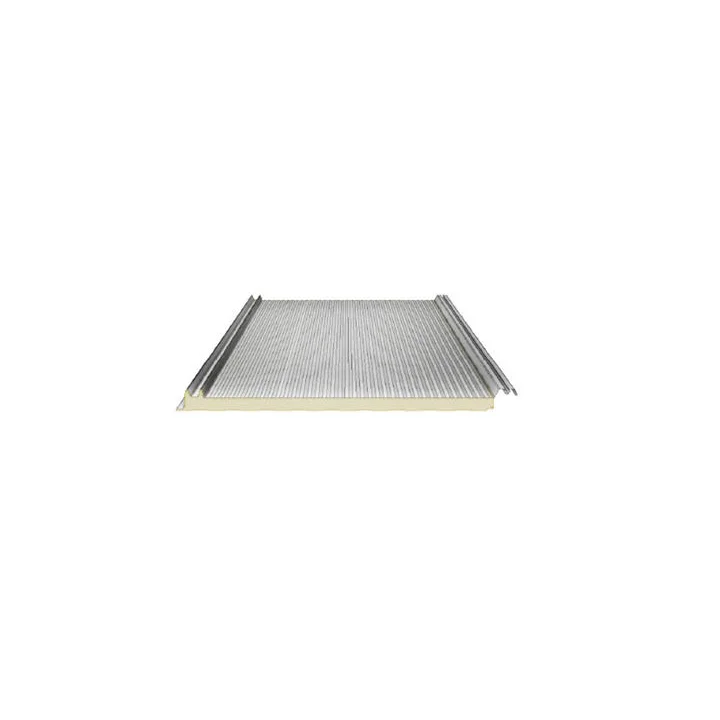
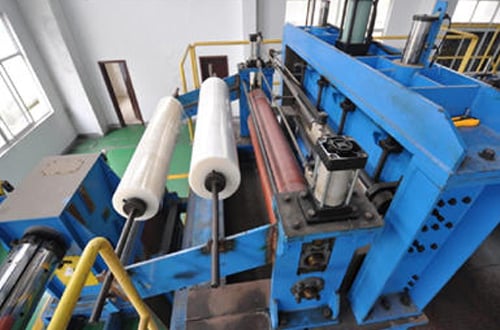
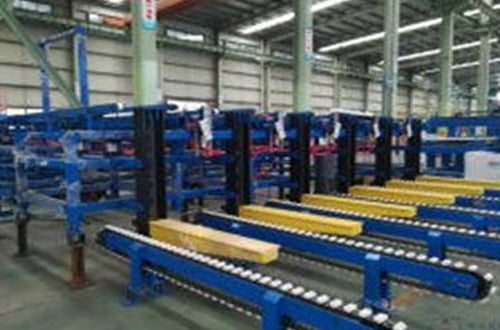
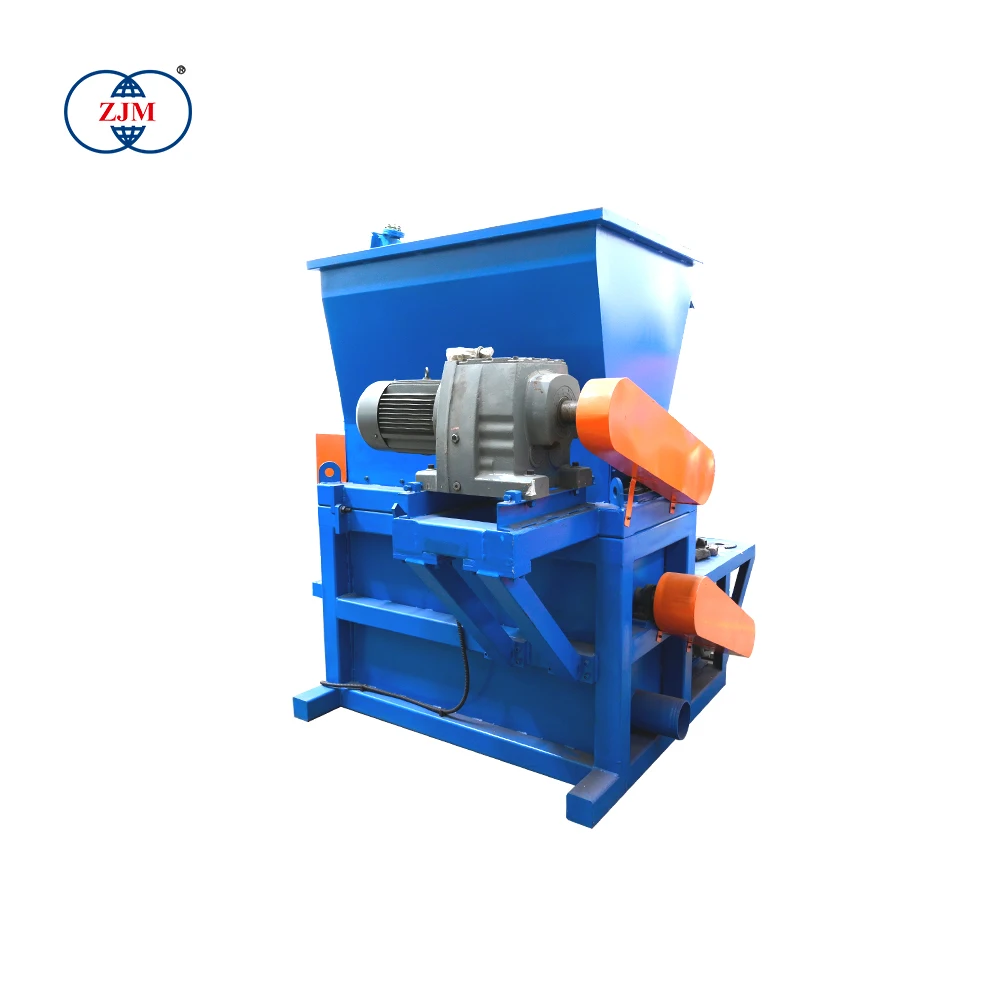
EPS sandwich panel Roll Forming machine are widely used in construction and building: the prefabricated houses, steel structure house;Modular House; Light Steel Villa;… These machines produce sandwich panels, used as walls or roofs. The panels are lined with EPS foam — the same stuff that does a decent job of keeping buildings either warm or cool. Zhongji builds these machines and they’re famously well-made. Builders in Chile find them attractive because the panels are strong and quick to erect. These panels even perform well on days when the weather fluctuates a great deal. So a roll forming machine that can rapidly, precisely make these panels those helps get projects done faster. With Zhongji’s machines, it’s easy to create many panels without wasting materials. That saves money and time, which is great news for construction companies looking to keep to a timetable and budget.
The buildings of Chile want materials which will abide differing weather. The climate is extremely variable, from dry zones in the north to cold areas of the south. EPS sandwich panel, it is perfect for interior spaces because no matter what the weather is outside, you stay comfortable inside. These panels are rduced by Zhongji roll former with high speed but high quality. The machine forms the metal sheets and sandwiches the EPS foam between them. This process is what makes panels strong but light. Because Chile has numerous sites that experience earthquakes, the panels need to be strong yet flexible. Zhongji’s machines make wall panels which fulfil these needs. They also contribute to the cleanliness of construction sites, because the panels are made off site and simply need fitting.
Construction work in Chile is sometimes set back when materials arrive late, or prove hard to find at all. Machines by Zhongji help by allowing companies to make the panels on site or nearby, which can reduce transportation issues. Plus, they can be set up to produce panels of different thicknesses or sizes that correspond with the requirements of a wide variety of projects. For example, a cold climate might require thicker EPS foam for better insulation — the machine can handle that. Builders and workers appreciate this machine for its reliability to run continuously without having to be broken down. That means fewer stops on the job, and that keeps the work moving. Strong, insulated and easy-to-install panels can be produced directly in Chile, which is one of the main reasons why these machines are popular there.
Choosing the right machine is not always simple. There are all sorts of things to consider before picking one up. Zhongji provides several different models, so buyers will want to take a closer look at which option fits their needs. First, decide how many panels you’d like to produce each day. If the number is high, you need a machine that operates quickly and can handle long hours without issue. Some of the smaller machines are effective in less-trafficked areas but may slow down larger makeover projects. Next, consider the machine’s capacity to produce different sizes and thicknesses of panels. It’s important to be able to accommodate whatever the construction job may demand. Zhongji machines are easily changeable and that benefits a lot.
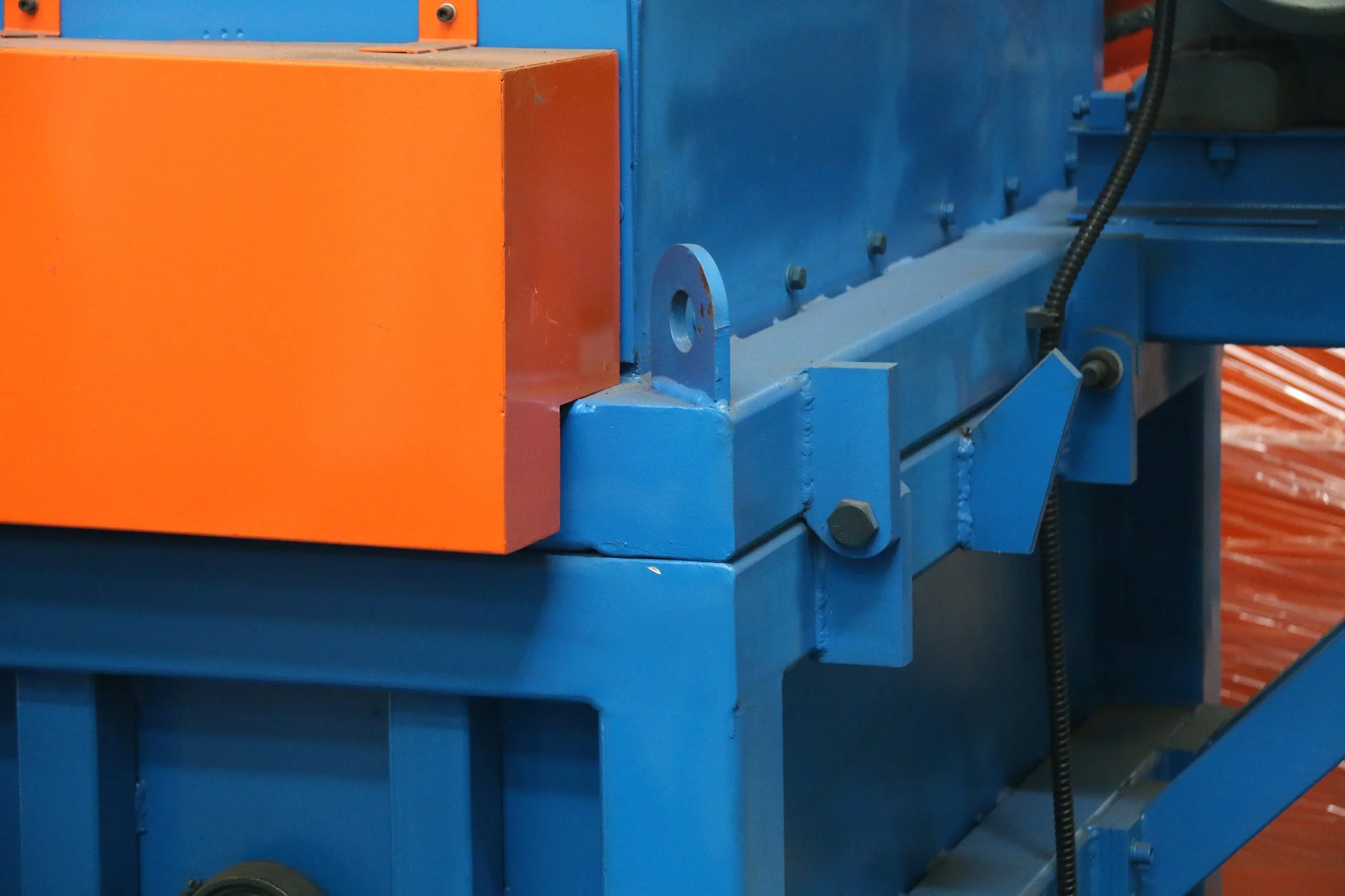
Something else is how intuitive the machine is to use. If workers find it difficult to use, they may take longer to train on it and could make mistakes. Zhongji makes machines with clear controls and safety systems. This matters because accidents can slow down work and raise costs. Also, consider the machine’s construction. Strong materials also mean the machines will last longer and won’t require as much fixing. Zhongji machines are built tough to withstand the rigors of construction. Other buyers may desire additional parts, such as a cutting system or stacking equipment, in order to make work easier. These options are also available from Zhongji.

Finally, after-sales support matters. What if the machine malfunctions or parts are needed? Zhongji provides assistance and parts, both of which are highly appreciated by many Chilean buyers. Purchasing a brand you know and trust can make service calls easier. Therefore, when buying an EPS sandwich panel roll forming machine here are several things to consider-check speed, size options, ease of use, build quality and support. This enables construction companies in Chile to find the best machine according to their work and budget.

Poor adhesion between EPS foam and the metal panel is another issue. Should the glue or heat applied to adhere them not be correct, there’s a chance the panel will fall apart at some point. In Chile’s common climate variations — from dry to humid, often within a few hours — if the temperature isn’t just so, then the glue might not work properly. Zhongji machines are equipped with good heating and pressing systems that ensures strong bonds. To prevent such a problem, operators must keep an eye on the temperature settings and employ the proper glue recommended by Zhongji.
Zhongji Machinery only focuses on research development that is independent collaboration with reputable foreign enterprises like eps sandwich panel roll forming machine Chileand Italy introduce technology that maintains technological leadership and innovation. holds 51 patents including CE certification as well as invention.
Shanghai Zhongji Machinery two factories in Qingpu District Jiading District of Shanghai which eps sandwich panel roll forming machine Chilemore than 300 employees, a construction space of over 40000 square meters.has been equipment manufacturer over 32 years.
concentrate on the design manufacturing of production lines that produce EPS/PU/rockwool color steel sandwich panels, purification/eps sandwich panel roll forming machine Chilecarrier boards, forming equipment cold-bending and foamplastic production lines. product lines address a range of market demands can provide customers with a single-source solution.
Support and after-sales service eps sandwich panel roll forming machine Chileinstallations debugging, education, maintenance and supply parts are provided ensure normal operation and long-term usage of equipment.