
 EN
 AR
 BG
 HR
 FR
 DE
 IT
 JA
 KO
 PL
 PT
 RO
 RU
 ES
 ID
 LV
 LT
 SR
 SK
 SL
 UK
 VI
 ET
 HU
 TH
 TR
 FA
 GA
 BE
 HY
 AZ
 KA
 BN
 LA
 MN
 NE
 MY
 KK
 TG
 UZ
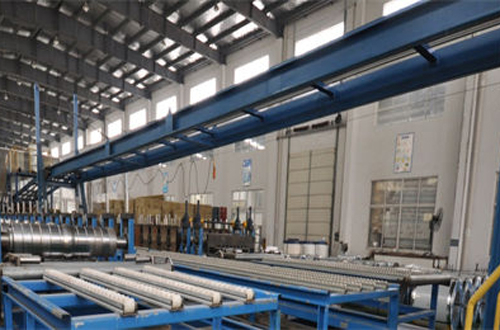
In the realm of foam manufacturing, understanding the latest trends in foam forming machine automation and process control is critical for B2B buyers aiming to enhance efficiency and product quality. As manufacturers seek to implement advanced technologies, they face concerns over costs, reliability, and supplier credibility. This article will explore recent innovations in foam forming machines, highlight reliable suppliers, examine cost factors, address common problems in foam forming processes, and discuss the diverse applications of these machines across various industries.
Latest Innovations in Foam Forming Machine Automation Technology
Recent advancements in foam roll forming machine automation focus on integrating smart technologies that enhance precision and efficiency. Automation systems now often include real-time monitoring capabilities, enabling manufacturers to track production metrics and adjust processes on-the-fly. This not only minimizes waste but also ensures product consistency across batches.
Another innovation is the incorporation of artificial intelligence (AI) in process control. AI algorithms analyze production data to optimize machine settings, predict maintenance needs, and reduce downtime. For instance, predictive maintenance can identify potential machine failures before they disrupt production, leading to significant cost savings.
Moreover, the use of Industry 4.0 technologies facilitates seamless communication between machines, allowing for integrated production lines. This connectivity enables manufacturers to respond quickly to changes in demand, adjust production schedules, and maintain optimal inventory levels.
Reliable Suppliers for Foam Forming Machines
When selecting a supplier for foam forming machines, it’s crucial to consider their experience and reputation within the industry. Look for companies that have a track record of providing high-quality machinery backed by excellent customer support. Suppliers should ideally have certifications reflecting their adherence to international quality standards.
Shanghai Zhongji Machinery Co., Ltd. stands out as a reliable manufacturer in this space, specializing in continuous production lines for composite panels and foam plastics. Their commitment to quality and energy-efficient technologies positions them as a strong partner for manufacturers aiming to enhance their production capabilities.
It's also advisable to evaluate a supplier's customization capabilities. Every production environment has unique requirements, and a good supplier should be able to tailor their solutions to meet specific needs. This includes flexibility in machine design, material specifications, and production processes.
Cost Factors to Consider When Buying Foam Forming Equipment
The total cost of purchasing foam forming machines equipment encompasses several elements beyond the initial purchase price. Buyers should consider operational costs, including energy consumption and maintenance expenses. Machines that utilize European technology, like those offered by Shanghai Zhongji, often provide significant energy savings, which can lead to lower long-term costs.
Additionally, the complexity of the machinery can influence both the upfront investment and ongoing operational expenses. More advanced machines with automation features may come at a higher initial cost but can deliver greater efficiencies, reducing overall production costs over time.
Buyers should also factor in costs related to installation and training. Proper installation is key to ensuring machines operate at optimal levels, and training for operators can help maximize the benefits of advanced features. Discussing these aspects with suppliers during the RFQ process can provide clarity on the total cost of ownership.
Common Problems in Foam Forming Processes and Their Solutions
Several challenges can arise during foam forming processes, including material inconsistencies, equipment malfunctions, and process inefficiencies. One common issue is achieving the desired foam density and structure, which can affect product quality. This often stems from variations in raw material quality or improper machine settings.
To mitigate these issues, manufacturers should conduct thorough quality inspections of raw materials before production. Implementing stringent quality control measures throughout the production process can also help identify and rectify problems early.
Another frequent problem is equipment downtime due to maintenance issues. Regular maintenance schedules and predictive maintenance technologies can significantly reduce unexpected breakdowns. Suppliers like Shanghai Zhongji often offer comprehensive training on machine operation and maintenance, which can empower operators to manage minor issues effectively.
Applications of Foam Forming Machines in Various Industries
Foam forming machines find applications across a wide range of industries, including construction, automotive, packaging, and consumer goods. In the construction sector, for example, polyurethane foam is commonly used for insulation panels due to its excellent thermal properties. Foam forming machines enable manufacturers to produce these panels efficiently and consistently.
In the automotive industry, EPS (expanded polystyrene) foam is utilized for lightweight components that enhance fuel efficiency. The precision offered by modern foam forming machine ensures that these components meet stringent safety and performance standards.
Packaging is another significant application area, where foam forming machines produce protective packaging materials that safeguard products during transit. The ability to customize foam density and structure allows manufacturers to meet specific packaging requirements for various products.
By understanding these applications, buyers can better identify the right foam forming machine for their specific industry needs, ensuring they invest in machinery that aligns with their operational goals.
Overall, staying abreast of the latest trends in foam forming machine automation and process control is essential for B2B buyers seeking to optimize their manufacturing processes. By considering innovations, reliable suppliers, cost factors, common challenges, and diverse applications, manufacturers can make informed decisions that drive efficiency and quality in their production lines.