
 EN
 AR
 BG
 HR
 FR
 DE
 IT
 JA
 KO
 PL
 PT
 RO
 RU
 ES
 ID
 LV
 LT
 SR
 SK
 SL
 UK
 VI
 ET
 HU
 TH
 TR
 FA
 GA
 BE
 HY
 AZ
 KA
 BN
 LA
 MN
 NE
 MY
 KK
 TG
 UZ
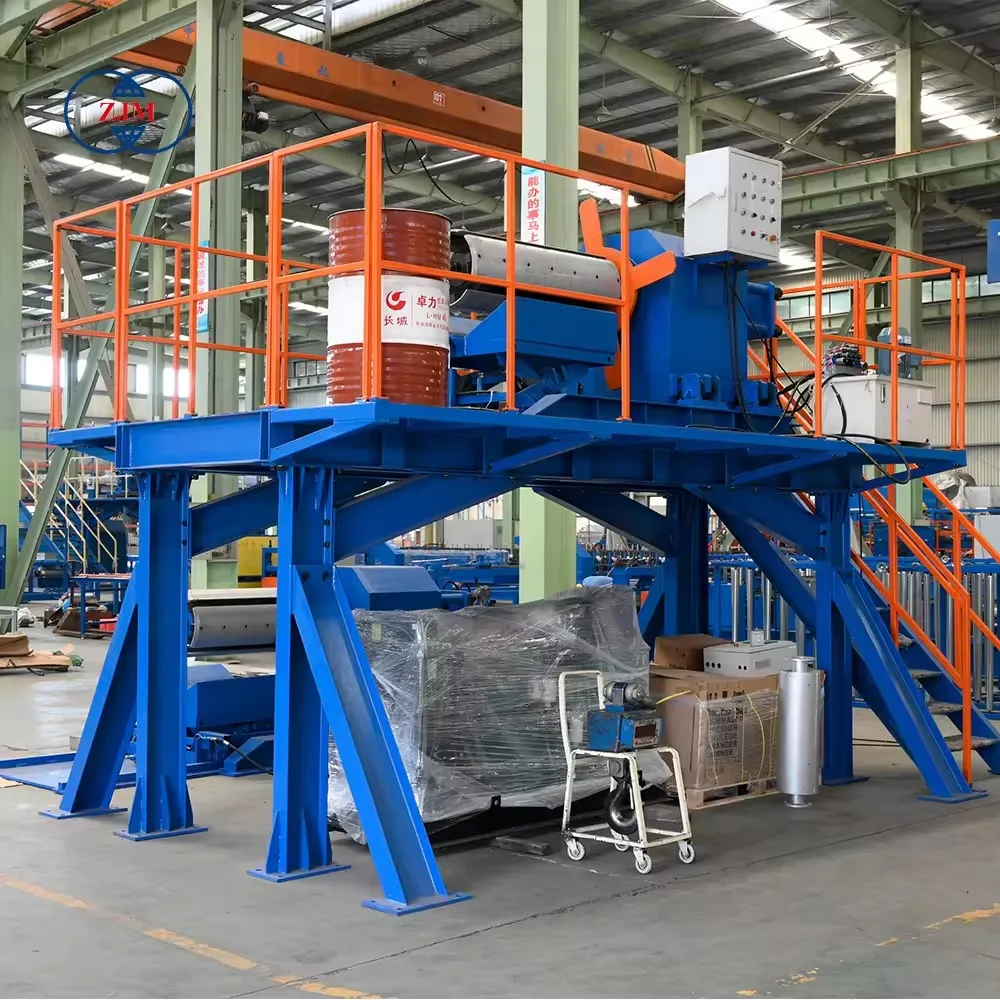
Sandwich panels, composed of layers of materials bonded together, are widely used in construction, cold storage, and various industrial applications due to their excellent insulation properties and structural integrity. Understanding what materials are commonly used in sandwich panel manufacturing is essential for B2B buyers, including purchasing managers and engineers, to make informed decisions based on performance, cost, and application suitability. This article will explore the materials ideal for sandwich panel manufacturing, how to choose the right ones, sourcing considerations, cost factors, and common problems associated with these materials.
What Materials Are Ideal for Sandwich Panel Manufacturing?
In sandwich panel manufacturing, the choice of materials is pivotal to achieving the desired performance characteristics. Typically, the core materials include polyurethane (PU), expanded polystyrene (EPS), and rock wool, while the facings are often made from galvanized steel, aluminum, or other composite materials.
Polyurethane (PU): Known for its superior thermal insulation properties and lightweight nature, PU is an excellent choice for applications requiring energy efficiency. It offers a high strength-to-weight ratio, making it ideal for roofing and wall panels in commercial buildings.
Expanded Polystyrene (EPS): EPS is another popular core material that provides good insulation and is cost-effective. It is commonly used in cold storage facilities and can be easily customized to meet specific structural requirements.
Rock Wool: This mineral-based material is favored for its fire-resistant properties, making it suitable for applications where fire safety is a concern. PU/Rock wool sandwich panel line are commonly used in industrial and commercial spaces where fire regulations are stringent.
Facings: The choice of facing material influences durability and aesthetics. Galvanized steel is widely used for its corrosion resistance and strength, while aluminum offers a lightweight alternative. Composite materials can also be used for enhanced performance.
How to Choose the Right Material for Sandwich Panels
Choosing the right material for sandwich panels involves evaluating several factors, including thermal performance, fire safety, structural requirements, and environmental conditions. Buyers should consider the following:
Application Requirements: Assess the specific application of the sandwich panels. For instance, if the panels will be exposed to high temperatures or moisture, selecting materials like rock wool or specialized coatings for the facings can enhance performance.
Thermal Insulation Needs: Determine the thermal insulation requirements based on local climate conditions and energy regulations. Polyurethane offers superior insulation; however, budget constraints may make EPS a more viable option for some projects.
Fire Resistance Standards: Understand the fire safety regulations applicable to the project. If fire resistance is a key concern, panels with rock wool cores may be necessary to comply with safety codes.
Cost and Availability: Evaluate the total cost of materials, including sourcing, transportation, and installation. Understanding the availability of materials in your region can also influence the choice, as locally sourced materials may reduce lead times and costs.
Sourcing Materials for Sandwich Panels
Sourcing materials for sandwich panels involves a careful selection of suppliers who can provide high-quality materials that meet industry standards. When sourcing, consider the following:
Supplier Evaluation: Assess suppliers based on their reputation, manufacturing capabilities, and quality control processes. Look for suppliers who specialize in sandwich panel production line and have experience in your specific application area.
Quality Assurance: Ensure that suppliers adhere to quality certifications relevant to your industry, such as ISO standards. This will help guarantee the consistency and durability of the materials.
Customization Capabilities: If your project requires specific dimensions or performance characteristics, ensure that the supplier can accommodate these needs. Customization may involve adjusting the thickness of the panels or selecting specific facing materials.
Lead Times: Discuss lead times upfront to align your project schedule with material availability. Delays in sourcing can impact project timelines, so it's crucial to have a reliable supply chain in place.
Cost Factors in Sandwich Panel Material Selection
The cost of sandwich panels is influenced by several factors, including material selection, manufacturing processes, and market conditions. Buyers should consider:
Material Prices: The cost of core materials and facings varies significantly. For example, while EPS is generally more affordable, polyurethane's benefits may justify the higher expense for certain applications.
Manufacturing Complexity: More complex manufacturing processes or specialized equipment can increase production costs. Buyers should inquire about these factors when evaluating quotes from suppliers.
Volume Discounts: When planning large orders, buyers should negotiate for volume discounts, which can significantly reduce the overall cost per unit.
Transportation and Installation Costs: Consider how material weight and dimensions affect transportation costs. Additionally, understanding the ease of installation can help budget for labor costs effectively.
Common Problems with Sandwich Panel Materials and Solutions
While sandwich panel production machine offer numerous advantages, buyers may encounter issues related to material selection and performance. Here are common problems and their solutions:
Delamination: This can occur when the bond between the core and the facings fails. To mitigate this, ensure that the manufacturing process adheres to strict quality control measures, and select adhesives that are proven to withstand the intended application conditions.
Insufficient Insulation: If the thermal performance does not meet requirements, buyers should evaluate the insulation values of the selected core materials. Testing samples under actual operating conditions can provide more accurate assessments.
Moisture Infiltration: Panels exposed to moisture can suffer from degradation. Choosing moisture-resistant materials and ensuring proper sealing during installation can help prevent this issue.
Fire Safety Compliance: If panels fail to meet fire safety standards, reassess the materials used, particularly the core and facing choices. Rock wool or panels with certified fire-resistant coatings may be necessary for compliance.
By understanding the materials commonly used in sandwich panel manufacturing and the factors influencing their selection, B2B buyers can make informed decisions that align with their project needs. Engaging with a reputable manufacturer like Shanghai Zhongji Machinery Co., Ltd. can provide additional insights and access to high-quality sandwich panel solutions tailored to specific applications.