
 EN
 AR
 BG
 HR
 FR
 DE
 IT
 JA
 KO
 PL
 PT
 RO
 RU
 ES
 ID
 LV
 LT
 SR
 SK
 SL
 UK
 VI
 ET
 HU
 TH
 TR
 FA
 GA
 BE
 HY
 AZ
 KA
 BN
 LA
 MN
 NE
 MY
 KK
 TG
 UZ
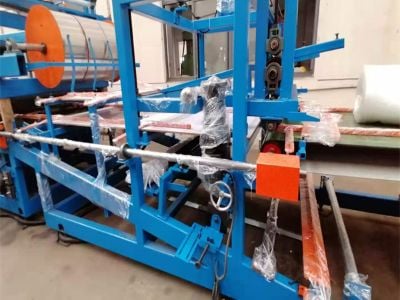
The production of sandwich panels is an essential aspect of modern construction, particularly due to its efficiency and material-saving capabilities. Understanding how sandwich panel production line reduces material waste during manufacturing is crucial for buyers looking to optimize their processes and cut costs. This article aims to provide insights into the cost factors, supplier options, benefits, quality evaluation, and common challenges associated with sandwich panel production lines, helping purchasing managers and engineers make informed decisions.
Comparing Cost Factors in Sandwich Panel Production Lines
When evaluating the costs associated with sandwich panel production lines, several factors come into play, including equipment, materials, and operational expenses. The initial investment in high-precision sandwich panel machine, such as those offered by Shanghai Zhongji Machinery Co., Ltd., is significant but can lead to long-term savings by minimizing waste.
Material costs also vary depending on the type of sandwich panel being produced like polyurethane, rock wool, or EPS (expanded polystyrene). Each material has its unique properties and price points, which influence the overall production cost. For instance, polyurethane panels provide superior insulation but may be more expensive than EPS panels.
Operational costs, including labor, energy consumption, and maintenance, should not be overlooked. Production lines equipped with energy-saving technologies can significantly reduce electricity costs, making them more attractive for long-term investments. Buyers should also consider the total cost of ownership, which includes factors like machine durability and the potential for future upgrades or expansions.
Where to Find Reliable Suppliers for Sandwich Panel Machinery?
Identifying trustworthy suppliers for sandwich panel machinery is crucial for ensuring high-quality production. Start by researching manufacturers with a proven track record in the industry, such as Shanghai Zhongji Machinery Co., Ltd., which specializes in advanced production sandwich panel line. Look for suppliers that offer comprehensive support, including installation, training, and after-sales service.
Industry trade shows and exhibitions are excellent venues for networking and discovering new technologies. Engaging with suppliers directly can provide insights into their expertise and reliability. Online platforms and industry forums can also be valuable resources for reviews and recommendations from other buyers.
When assessing suppliers, consider their production capabilities, certifications, and export markets. A manufacturer that adheres to international quality standards is more likely to deliver reliable machinery that meets your production needs.
Key Benefits of Using Sandwich Panels in Construction Projects
Sandwich panels offer numerous advantages in construction, making them a popular choice for various applications. Their lightweight nature reduces transportation costs and simplifies installation, which can significantly expedite project timelines. Additionally, the insulation properties of these panels contribute to energy efficiency, resulting in lower heating and cooling costs.
Moreover, sandwich panels are versatile and can be customized to meet specific application requirements. Whether used for walls, roofs, or cold storage facilities, the adaptability of these panels allows for innovative architectural designs while maintaining structural integrity.
The durability and low maintenance requirements of sandwich panels further enhance their appeal. They are resistant to moisture, pests, and fire, making them suitable for a wide range of environments. Buyers should evaluate these benefits against their specific project needs to determine the best material and design.
Evaluating the Quality of Sandwich Panel Production Equipment
Quality evaluation of sandwich panel production equipment is essential to ensure long-term reliability and efficiency. Key factors to consider include the precision of the machinery, the materials used in construction, and the technology employed in the production process. High-quality sandwich panel production line should provide consistent panel thickness, surface smoothness, and minimal waste during production.
Buyers should also assess the manufacturer’s quality control processes. A reputable supplier will have rigorous testing protocols in place to verify that each machine meets performance standards before it is shipped. Requesting documentation of certifications and testing results can help confirm the equipment’s quality.
Additionally, it is wise to review customer feedback and case studies to understand how the equipment performs in real-world applications. Engaging with existing users can provide valuable insights into the machine's reliability and any potential challenges that may arise during production.
Solutions to Common Problems in Sandwich Panel Manufacturing
Despite the advantages of sandwich panel production, manufacturers often encounter common challenges. Issues such as material waste, inconsistent quality, and equipment malfunctions can impact productivity and profitability. Understanding these problems and their solutions is vital for maintaining an efficient production line.
Material waste can be reduced by implementing precise cutting and handling processes. Investing in high-precision cutting equipment ensures that raw materials are utilized effectively, minimizing off-cuts and scraps. Buyers should also consider the efficiency of the production layout to optimize material flow and reduce handling time.
Inconsistent quality can arise from variations in raw materials or equipment settings. Establishing strict quality control measures—such as regular machine calibration and material testing can help maintain product standards. Additionally, conducting thorough inspections of incoming materials ensures that only the best quality components are used.
Machine downtime can be mitigated by investing in reliable equipment and establishing a robust maintenance schedule. Regular maintenance checks can identify potential issues before they lead to significant operational disruptions. Training staff on proper machine operation and care can also enhance productivity and reduce the likelihood of errors.
By addressing these common issues proactively, manufacturers can optimize their sandwich panel production lines, ultimately leading to reduced material waste and improved operational efficiency.
Table of Contents
- Comparing Cost Factors in Sandwich Panel Production Lines
- Where to Find Reliable Suppliers for Sandwich Panel Machinery?
- Key Benefits of Using Sandwich Panels in Construction Projects
- Evaluating the Quality of Sandwich Panel Production Equipment
- Solutions to Common Problems in Sandwich Panel Manufacturing