
 EN
 AR
 BG
 HR
 FR
 DE
 IT
 JA
 KO
 PL
 PT
 RO
 RU
 ES
 ID
 LV
 LT
 SR
 SK
 SL
 UK
 VI
 ET
 HU
 TH
 TR
 FA
 GA
 BE
 HY
 AZ
 KA
 BN
 LA
 MN
 NE
 MY
 KK
 TG
 UZ
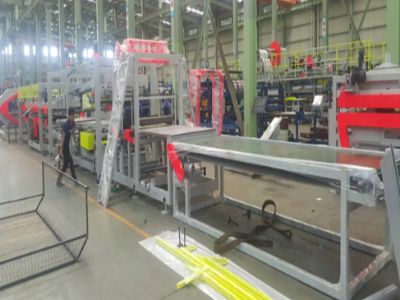
Understanding how a PUF panel manufacturing machine controls foam core density is vital for achieving optimal product performance. The density of the foam core significantly influences the thermal insulation, structural integrity, and overall durability of the panels. Buyers, including purchasing managers, distributors, and engineers, need to evaluate how these factors impact their specific applications. This article will explore the implications of foam core density on PUF panel performance, considerations when selecting a supplier, and the benefits of optimizing foam core density in PUF panels.
How Foam Core Density Impacts PUF Panel Performance
Foam core density plays a crucial role in the performance of polyurethane foam (PUF) panels. A higher density typically results in enhanced thermal insulation and mechanical strength, making the panels more suitable for demanding applications such as cold storage facilities and industrial insulation. Conversely, lower-density foam can reduce material costs and weight, potentially making it advantageous for less critical applications.
When selecting PUF panel machine, buyers should consider the specific requirements of their projects. For instance, a density of 32-40 kg/m³ is often ideal for applications requiring high insulation, while densities below 30 kg/m³ might suffice for general construction needs. Understanding these distinctions helps buyers choose panels that meet their performance standards without unnecessary expense.
What to Consider When Choosing a PUF Panel Supplier
Selecting the right PUF panel supplier involves several critical considerations. First, evaluate their manufacturing capabilities, including the technology and machinery used to produce the panels. Suppliers like Shanghai Zhongji Machinery Co., Ltd., which utilize high-precision equipment and European technology, are likely to maintain strict quality control processes, ensuring consistent foam core density and panel performance.
Buyers should also inquire about the supplier’s experience in specific applications and their ability to customize products to meet unique requirements. A supplier with a deep understanding of various industry standards and customer needs will provide valuable insights during the purchasing process. Additionally, consider the supplier's track record in delivering on time and their capacity for handling bulk orders, which can be crucial for large-scale projects.
Density Considerations
When determining the appropriate foam core density for PUF panel making machine, several factors should be assessed. The intended application is paramount; for instance, panels used in refrigerated environments will benefit from higher densities, which offer better insulation properties and resistance to thermal bridging.
Moreover, consider the environmental conditions the panels will face. For instance, panels exposed to high humidity or variable temperatures should have a density that enhances moisture resistance and dimensional stability. Buyers should also account for the structural load the panels will bear, as higher density generally translates to increased load-bearing capacity.
Lastly, it is essential to communicate specific performance requirements to the supplier, ensuring that the foam core density aligns with the desired application standards.
Where to Find Reliable Suppliers for PUF Panel Machinery
Finding a reliable PUF panel machinery supplier can significantly impact the quality and efficiency of production. Start by researching manufacturers with a proven track record in the industry. Look for companies that have established a reputation for high-quality machines, like Shanghai Zhongji Machinery Co., Ltd., known for integrating advanced technology in their production lines.
Industry trade shows, online forums, and professional networks are excellent resources for discovering reputable suppliers. Engaging with peers and industry experts can provide firsthand insights into the performance and reliability of various machinery options. Additionally, consider suppliers who offer comprehensive customer support, including training and maintenance services, to ensure long-term operational success.
Benefits of Optimizing Foam Core Density in PUF Panels
Optimizing foam core density in PUF panel machine manufacturers leads to multiple benefits, enhancing both performance and cost-effectiveness. One of the primary advantages is improved thermal insulation, which can contribute to energy savings in buildings by reducing heating and cooling costs. This is particularly crucial for businesses looking to minimize operational expenses and comply with energy efficiency regulations.
Moreover, panels with optimized density are less prone to warping and damage, resulting in lower maintenance costs over time. Enhanced structural integrity also means they can withstand harsher environmental conditions, extending the lifespan of the installation.
Lastly, optimizing density can lead to better manufacturing efficiency, as machines designed to control foam core density can produce consistent quality, reducing waste and improving overall production timelines. This not only ensures that the final product meets specifications but can also improve the supplier's reliability, making for smoother project execution.
By understanding how PUF panel manufacturing machines control foam core density and the implications of this factor on overall panel performance, buyers can make informed decisions that align with their project requirements. The insights provided will help purchasing managers, distributors, and engineers enhance their procurement strategies and optimize their applications effectively.