
 EN
 AR
 BG
 HR
 FR
 DE
 IT
 JA
 KO
 PL
 PT
 RO
 RU
 ES
 ID
 LV
 LT
 SR
 SK
 SL
 UK
 VI
 ET
 HU
 TH
 TR
 FA
 GA
 BE
 HY
 AZ
 KA
 BN
 LA
 MN
 NE
 MY
 KK
 TG
 UZ
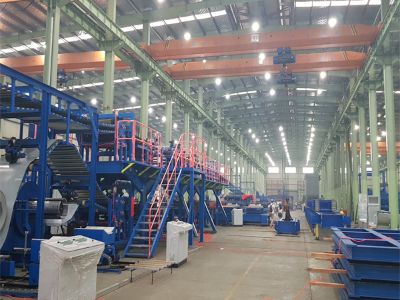
Understanding the significance of automation in sandwich panel production lines is crucial for large-scale projects. As manufacturing processes evolve, the demand for efficient, high-quality production has never been more critical. Buyers, such as purchasing managers and engineers, often grapple with concerns regarding cost, efficiency, and the reliability of their sourcing options. This article will explore why sandwich panel production line automation matters for large-scale projects and provide valuable insights for making informed purchasing decisions
How Automation Enhances Efficiency in Sandwich Panel Production Lines
Automation significantly boosts efficiency in sandwich panel machine production lines by streamlining processes and reducing human error. Automated systems can operate continuously, maintaining high production rates while ensuring consistent quality. For instance, the integration of advanced robotics and sensors allows for precise material handling, which minimizes waste and optimizes resource usage
Moreover, automated systems can monitor production parameters in real-time, enabling immediate adjustments to maintain optimal performance. This capability not only speeds up the production cycle but also enhances the quality of the final product. For large-scale projects, where consistency and reliability are paramount, the adoption of an automated sandwich panel production line can lead to substantial long-term savings in both time and costs
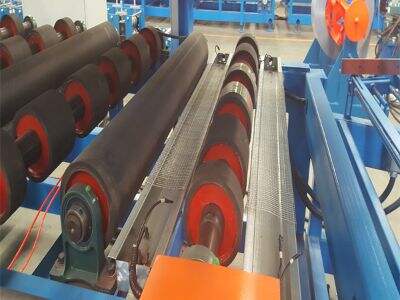
Wholesale Benefits of Automated Sandwich Panel Production Systems
Investing in automated sandwich panel production systems brings several wholesale benefits, particularly for large-scale operations. Firstly, these systems offer significant labor cost reductions. With automation, fewer manual laborers are needed, allowing companies to redirect human resources to more strategic tasks, such as quality control and process optimization
Secondly, automated systems provide enhanced production scalability. As project demands fluctuate, manufacturers can easily adjust production volumes without compromising on quality. This flexibility is essential for large-scale projects that may require rapid scaling up or down based on market conditions
Additionally, automated lines often include energy-efficient technologies that can lead to lower operational costs. For instance, Shanghai Zhongji Machinery Co., Ltd. employs European technology in its production lines, ensuring high standards and substantial energy savings, which can be a game-changer for companies looking to enhance their sustainability efforts
Where to Source Reliable Suppliers for Sandwich Panel Automation
Finding reliable suppliers for sandwich panel machine automation involves several critical steps. Start by researching manufacturers with a proven track record in the industry, such as Shanghai Zhongji Machinery Co., Ltd., known for its high-tech continuous production lines. Look for suppliers who provide detailed product specifications, including machine capabilities, production rates, and energy efficiency ratings
It's also beneficial to seek out suppliers who offer customization options tailored to specific project needs. Engaging in discussions about your production requirements can help gauge a supplier's expertise and willingness to collaborate
Furthermore, consider checking customer testimonials and case studies to assess the supplier's reliability and performance history. Networking within industry trade shows or forums can also provide insights into the best suppliers, as well as firsthand experiences from other industry professionals
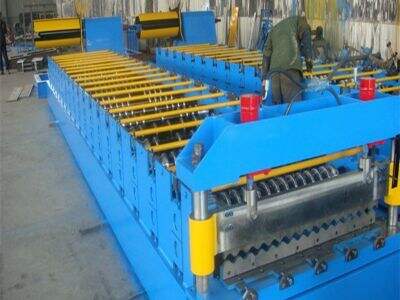
Evaluating Quality Standards in Automated Sandwich Panel Production
Quality standards in automated sandwich panel production are crucial for ensuring the longevity and performance of the panels. When evaluating potential suppliers, buyers should confirm that they adhere to internationally recognized quality standards, such as ISO certifications. This adherence indicates a commitment to maintaining high manufacturing practices
It’s important to inspect the quality control processes employed by the supplier. Automated production should include rigorous testing phases, such as dimensional checks and material integrity assessments. Buyers should also request samples of the panels produced from the automated line. Testing these samples under actual operating conditions can provide invaluable insights into their performance and reliability
Additionally, understanding the materials involved in production, such as polyurethane or rock wool, and their corresponding quality metrics can further aid in evaluating potential suppliers. For example, the insulation properties of the materials directly impact the thermal efficiency of the final product
Cost Factors to Consider for Automated Sandwich Panel Production Lines
Several cost factors come into play when considering automated sandwich panel line production lines, and understanding these can lead to more informed purchasing decisions. Initial capital investment is often the most significant expense, but it is essential to balance this with long-term operational savings. Factors such as the technology used, customization capabilities, and production capacity should all be evaluated in terms of their cost versus benefit
Operational costs also include maintenance, energy consumption, and labor expenses. Automation typically reduces labor costs, but maintenance of the machinery must be factored in. It is advisable to inquire about warranty terms and service agreements for the machinery to avoid unexpected costs down the line
Another critical factor is the lead time for delivery. Automated systems often require longer lead times due to their complexity and the need for customization based on specific project requirements. Buyers should communicate their timelines and ensure that suppliers can meet these deadlines without compromising quality
Ultimately, a comprehensive understanding of these cost factors will empower buyers to make well-informed decisions that align with their project budgets and expectations
Table of Contents
- How Automation Enhances Efficiency in Sandwich Panel Production Lines
- Wholesale Benefits of Automated Sandwich Panel Production Systems
- Where to Source Reliable Suppliers for Sandwich Panel Automation
- Evaluating Quality Standards in Automated Sandwich Panel Production
- Cost Factors to Consider for Automated Sandwich Panel Production Lines