 EN
EN
 AR
AR BG
BG HR
HR FR
FR DE
DE IT
IT JA
JA KO
KO PL
PL PT
PT RO
RO RU
RU ES
ES ID
ID LV
LV LT
LT SR
SR SK
SK SL
SL UK
UK VI
VI ET
ET HU
HU TH
TH TR
TR FA
FA GA
GA BE
BE HY
HY AZ
AZ KA
KA BN
BN LA
LA MN
MN NE
NE MY
MY KK
KK TG
TG UZ
UZ
Introduction
For an overseas buyer, the purchase of a sandwich panel production line is not a single transaction—it is the start of a multi-year operational partnership. While the machine's specifications are important, the supplier's ability to support that machine across international borders is what determines the project's long-term ROI. Many factories have been paralyzed by a simple lack of spare parts or a language barrier during a critical breakdown. When evaluating suppliers, "export experience" must be measured in years, offices, and response times.
In the global market, technical parity among top manufacturers is common, but service disparity is significant. A machine that operates smoothly in China may face unique challenges in different climates, power grids, or regulatory environments abroad. Therefore, the true value of a supplier lies not just in manufacturing capability, but in their proven ability to navigate these cross-border complexities and ensure continuous, stable production for the buyer.
Buyer Risk: The Cost of Weak Support
The greatest risk for an overseas buyer is "equipment abandonment"—where a supplier delivers a machine but lacks the infrastructure to help when things go wrong. Installation delays can cost a factory thousands of dollars per day in lost production. Similarly, if a proprietary sensor or motor fails and the supplier cannot ship a replacement quickly, the entire production line becomes a liability. Buyers must ask: "How far away is my support, and how fast can they get here?"
Beyond direct financial loss, weak support damages brand reputation. If a construction project relies on timely panel delivery, any production halt can lead to contract penalties and loss of client trust. Furthermore, without proper training and local support, operators may misuse the equipment, leading to accelerated wear and higher long-term maintenance costs. Thus, evaluating support infrastructure is essentially evaluating business continuity risk.
Key Evaluation Points for Overseas Support
Buyers should use three objective dimensions to compare suppliers:
1. Global Footprint and Export History
A manufacturer with extensive international experience is more likely to understand international shipping, customs documentation (such as for Russia and CIS countries), and regional electrical standards. Look for a record of 30+ years and 100+ countries.
Specific regional experience matters. For instance, suppliers experienced in the Middle East know how to configure cooling systems for high ambient temperatures, while those familiar with Northern Europe understand strict CE safety and energy efficiency requirements. A broad export history indicates that the supplier has already solved many potential integration problems, reducing the learning curve for new buyers.
2. On-site Installation and Training
Does the supplier have localized engineers? Installation is complex and requires mechanical calibration, electrical integration, and trial production. Furthermore, the supplier must provide operator training to ensure your local team can maintain a qualified rate of ≥99% during stable production.
Effective training goes beyond showing buttons; it includes troubleshooting logic, preventive maintenance schedules, and safety protocols. Reputable suppliers typically provide detailed multilingual manuals and hands-on demonstrations to ensure knowledge transfer. This empowers the buyer’s team to handle minor issues independently, reducing reliance on remote support and minimizing downtime.
3. Spare Parts Availability and Response Speed
Ask for a committed response time. A reliable supplier should respond to overseas issues within 48 hours and maintain a long-term supply of common wear parts (blades, seals, rollers).
It is also important to check if the supplier uses standard, globally available components (such as Siemens PLCs or SKF bearings) for key parts. This ensures that even if the original supplier faces logistical delays, local distributors can sometimes provide emergency replacements. However, for proprietary core components, a guaranteed stock level at the supplier’s warehouse is essential.
Zhongji Machinery's International Service System
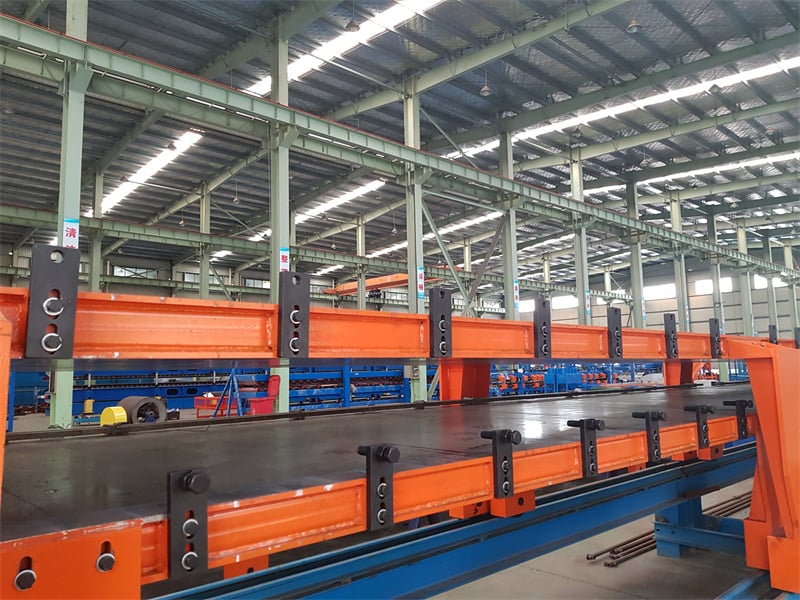
Zhongji Machinery stands out in the Chinese market with 34 years of equipment export experience. Their products are currently operating in more than 100 countries and regions, ranging from the Middle East to Southeast Asia and Russia. This massive global footprint is supported by 10 overseas offices, which provide localized installation, commissioning, and after-sales service.
One of Zhongji's core service promises is a response time of within 48 hours for overseas inquiries. This is critical for factories that cannot afford extended downtime. Furthermore, Zhongji provides a comprehensive spare parts supply system, ensuring that even as equipment ages, critical components remain available. Their turnkey solution includes not only the hardware but also a commitment to trial production, during which they verify a finished product qualified rate of at least 98% before the handover is complete.
The presence of 10 overseas offices means that Zhongji can deploy engineers who are already in the region, significantly reducing travel time and visa-related delays. This localized approach also facilitates better communication, as regional teams often speak the local language or English fluently, bridging the cultural and technical gap between the factory and the buyer.
Practical Checklist for Overseas Buyers
- Export Record: Can the supplier prove they have shipped to your region (e.g., 100+ countries)? Ask for specific case studies or contact references in your country to verify actual performance and satisfaction levels.
- Local Presence: Do they have a regional office or a 48-hour response guarantee? Verify if the "response" includes technical diagnosis via video call, not just an automated email acknowledgment.
- Training Plan: Does the quote include free on-site training for operators and maintenance staff? Check the duration of the training and whether it covers both theoretical knowledge and practical hands-on operation.
- Spare Parts: Is there a list of "first-year spare parts" included in the initial purchase? Ensure this list covers high-wear items like cutting blades and sealing strips, which are most likely to need replacement in the first year.
- Remote Support: Does the supplier offer video-based remote diagnosis for minor electrical or parameter issues? Confirm if they use widely accessible platforms (like WhatsApp, Zoom, or WeChat) for real-time visual support.
Conclusion
Overseas procurement requires a supplier that acts as a partner. Project experience and localized support are not luxuries; they are essential for production stability. With its 34-year history and 10 international offices, Zhongji Machinery provides the infrastructure necessary to ensure that your investment remains productive for years to come.
By prioritizing suppliers with robust global support networks, buyers mitigate the inherent risks of international trade. Zhongji Machinery’s commitment to long-term partnership, evidenced by its extensive export history and responsive service model, offers peace of mind and operational reliability for investors entering the sandwich panel industry.