
 EN
 AR
 BG
 HR
 FR
 DE
 IT
 JA
 KO
 PL
 PT
 RO
 RU
 ES
 ID
 LV
 LT
 SR
 SK
 SL
 UK
 VI
 ET
 HU
 TH
 TR
 FA
 GA
 BE
 HY
 AZ
 KA
 BN
 LA
 MN
 NE
 MY
 KK
 TG
 UZ
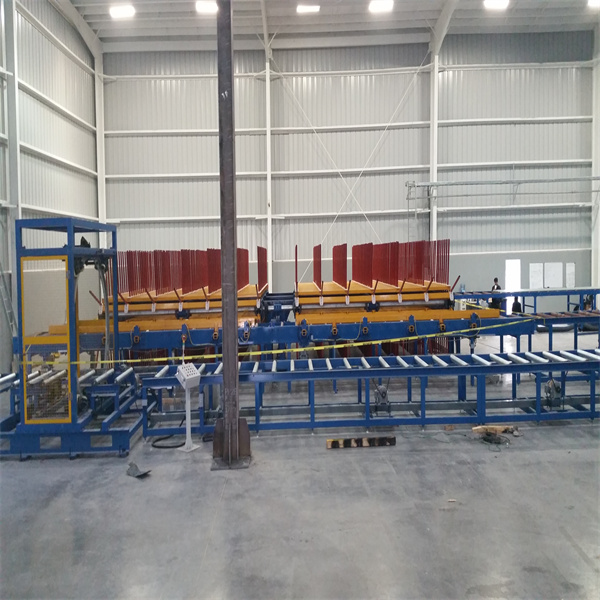
In the manufacturing of composite panels, the efficiency and reliability of the production process are critical. The PUF Panel Manufacturing Machine plays a vital role in continuous panel production, ensuring high-quality output while optimizing energy usage. For purchasing managers and distributors, understanding the significance of selecting the right machinery can directly impact production costs and operational efficiency. , we will explore why the choice of a PUF panel manufacturing machine matters, key specifications to consider, cost factors affecting purchases, where to find reliable suppliers, and installation guidance for these essential machines.
Why Choosing the Right PUF Panel Manufacturing Machine Matters
Selecting the right PUF panel manufacturing machine is essential for achieving high-quality production and operational efficiency. These machines utilize advanced technology to produce polyurethane foam panels that meet stringent insulation and structural requirements. A well-chosen machine can help prevent common production issues, such as inconsistent foam density or improper panel dimensions, which can lead to product failure in application.
Moreover, the efficiency of the machine impacts production speed and energy consumption. Machines that integrate European technology, like those produced by Shanghai Zhongji Machinery Co., Ltd., often offer significant energy savings and high standards of performance. Buyers must evaluate their specific production needs, including panel size, thickness, and insulation properties, to choose equipment that aligns with their operational goals.
Key Specifications to Consider for PUF Panel Production Equipment
When evaluating PUF panel manufacturing machines, several key specifications should be prioritized:
Production Capacity: This reflects the machine's ability to produce panels per hour or day. Buyers should consider their expected output to ensure the machine can meet demand without bottlenecks.
Foaming Technology: Different machines utilize various foaming technologies, such as continuous or batch processing. Continuous processes tend to offer higher efficiency but may require more complex machinery.
Panel Dimensions: The machine must accommodate the desired panel sizes. Ensure that the equipment can handle the thickness and width specifications required for your applications.
Material Compatibility: The machine should be capable of processing different types of raw materials, like polyurethane, rock wool, or EPS. This flexibility allows manufacturers to diversify their product offerings.
Energy Efficiency: Energy consumption is a significant cost factor. Machines designed with energy-saving technology can substantially lower operating costs over time.
Automation Level: Automated systems can enhance production consistency and reduce labor costs. Assess the level of automation needed based on your operational capabilities and budget.
Understanding these specifications can help buyers make informed decisions, ensuring that the selected machine aligns with both current needs and future growth.
Cost Factors Influencing PUF Panel Production Equipment Purchases
The cost of acquiring a PUF panel making machine can vary significantly based on several factors:
Machine Specifications: Higher specifications usually come with increased costs. Advanced features such as automation, energy efficiency, and higher production capacity typically drive up the price.
Supplier Reputation: Established manufacturers with a proven track record may charge more due to their quality assurance and after-sales support services. Investing in a reputable supplier can reduce future maintenance and operational issues.
Customization Needs: If the buyer requires specific modifications tailored to their production process, this can add to the overall cost. Customization might include adjustments to panel size, material compatibility, or unique operational features.
Shipping and Installation Costs: These costs should not be overlooked. Depending on the machine's size and complexity, shipping fees, customs duties, and installation expenses can add considerable value to the initial purchase price.
Maintenance and Operating Costs: Long-term operational costs should be factored into the purchasing decision. Machines that require less frequent maintenance may have higher upfront costs but result in lower total expenditures over their lifespan.
By understanding these cost factors, buyers can better budget for their investments and ensure they select a machine that provides good value for its price.
Where to Find Reliable Suppliers for PUF Panel Manufacturing Machines
Finding a reliable supplier is crucial for ensuring quality and support throughout the purchasing process. Here are some strategies for identifying trustworthy manufacturers:
Industry Referrals: Engaging with industry peers or attending trade shows can provide insights into reputable suppliers. Personal experiences and recommendations can guide buyers toward reliable options.
Online Research: Utilizing platforms like industry-specific forums, directories, and social media can help identify potential suppliers. Review their websites for product specifications, customer testimonials, and case studies.
Certifications and Standards: Look for suppliers that hold relevant certifications and adhere to industry standards. This demonstrates a commitment to quality and compliance with safety regulations.
Direct Inquiries: Reaching out to suppliers for detailed product information, quotes, and customer references can provide additional insights into their reliability and customer service quality.
Trial Orders: If possible, consider placing a smaller trial order to evaluate the supplier's product quality and service before committing to a larger purchase.
By conducting thorough research and due diligence, buyers can build strong supplier relationships that support their production needs.
Installation Guidance for PUF Panel Manufacturing Machines
Proper installation is essential for the effective operation of PUF panel machine. Here are key considerations to ensure a successful setup:
Site Preparation: Ensure the installation site is adequately prepared to accommodate the machine's size and requirements, including electrical connections, ventilation, and safety protocols.
Professional Installation: Engage the manufacturer or a certified technician for installation. Professional installation minimizes the risk of errors that could affect machine performance.
Training for Operators: Ensure that operators receive proper training on machine operation, maintenance, and safety protocols. This training can reduce the likelihood of operational mishaps and enhance productivity.
Initial Testing: Once installed, conduct thorough testing to ensure the machine operates correctly. This includes checking for proper calibration, foam quality, and panel dimensions.
Documentation: Keep all installation and operational manuals accessible for reference. This documentation can aid in troubleshooting and maintenance over the machine's lifespan.
By following these guidelines, manufacturers can optimize their installation process, ensuring that their PUF panel manufacturing machine functions at peak efficiency from the outset.
In summary, choosing the right PUF panel manufacturing machine is critical for maintaining high production standards and efficiency. By understanding key specifications, cost factors, supplier options, and installation procedures, purchasing managers can make informed decisions that support their operational goals.
Table of Contents
- Why Choosing the Right PUF Panel Manufacturing Machine Matters
- Key Specifications to Consider for PUF Panel Production Equipment
- Cost Factors Influencing PUF Panel Production Equipment Purchases
- Where to Find Reliable Suppliers for PUF Panel Manufacturing Machines
- Installation Guidance for PUF Panel Manufacturing Machines