
 EN
 AR
 BG
 HR
 FR
 DE
 IT
 JA
 KO
 PL
 PT
 RO
 RU
 ES
 ID
 LV
 LT
 SR
 SK
 SL
 UK
 VI
 ET
 HU
 TH
 TR
 FA
 GA
 BE
 HY
 AZ
 KA
 BN
 LA
 MN
 NE
 MY
 KK
 TG
 UZ
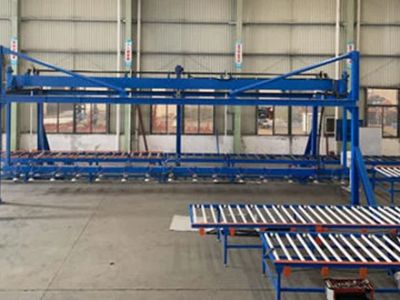
Understanding what determines cutting precision in a sandwich panel cutter is crucial for optimizing the quality of your production processes. Cutting precision directly affects the structural integrity and aesthetic finish of sandwich panels, which are widely used in construction and insulation applications. B2B buyers, including purchasing managers and engineers, often seek to understand the factors that influence cutting precision to ensure they are investing in reliable machinery that meets their operational requirements. This article will explore the critical aspects of cutting precision, what influences it, and how to select the right equipment for your needs.
How Precision in Cutting Affects Sandwich Panel Quality?
Cutting precision in a sandwich panel cutter plays a pivotal role in determining the overall quality of the finished product. If the cutting is not precise, it can lead to misalignments, gaps, and poor fit during assembly, which ultimately affects the structural performance and thermal insulation properties of the panel. Panels that are cut inaccurately may also require additional finishing processes, increasing production costs and time.
Moreover, precise cutting ensures that the edges of the sandwich panels are smooth and uniform, which is essential for aesthetic appeal in visible applications. This not only enhances the product's marketability but also minimizes waste, as high-precision cuts reduce the sandwich panel cutter amount of material that gets discarded. Therefore, investing in high-precision cutting equipment is essential for manufacturers looking to maintain quality standards and achieve operational efficiency.
What Factors Influence Cutting Precision in Sandwich Panel Production?
Several critical factors influence cutting precision in sandwich panel production:
Cutting Technology: The type of cutting technology employed, whether it be blade cutting, laser cutting, or water jet cutting, significantly impacts precision. Each technology has its own advantages and limitations. For example, laser cutting can achieve very fine tolerances, while blade cutting may be more cost-effective for thicker materials.
Machine Calibration: Regular calibration of the cutting machine is essential. Machines that are not properly calibrated can result in uneven cuts. Manufacturers should establish a routine maintenance schedule to ensure consistent performance.
Material Properties: The type and thickness of the material being cut also play a role in cutting precision. Softer materials may deform during cutting, while harder materials may require more powerful equipment. Understanding the material properties helps in selecting the right cutting parameters.
Operator Skill: The experience and skill level of the operator can greatly affect cutting precision. Trained operators are more adept at handling machinery and adjusting settings to achieve optimal results.
Environmental Conditions: Factors such as temperature and humidity can also affect the cutting process. For instance, extreme temperatures can lead to material expansion or contraction, impacting precision.
By understanding these factors, manufacturers can implement best practices that enhance cutting precision, ultimately resulting in higher-quality sandwich panels.
Best Practices for Quality Control in Sandwich Panel Cutting Machines
Implementing effective quality control measures in the operation of sandwich panel cutting machines is vital for maintaining cutting precision. Here are some best practices:
Regular Inspection and Maintenance: Scheduled maintenance should include checking the sharpness of blades, calibration of laser systems, and overall machine functionality. Regular inspections can identify potential issues before they affect production.
Use of Quality Materials: Starting with high-quality raw materials that are consistent in thickness and composition can significantly enhance cutting accuracy. Suppliers should provide material specifications to ensure compatibility with cutting equipment.
Incorporation of Advanced Technology: Investing in advanced cutting technologies that incorporate sensors and automation can improve precision. These technologies can detect inconsistencies in real-time and make adjustments automatically.
Training for Operators: Continuous training programs for operators on the latest cutting techniques and machine handling can improve operational efficiency and precision. Knowledgeable operators are better equipped to troubleshoot issues as they arise.
Post-Cut Inspection: After cutting, panels should be inspected for accuracy in dimensions and quality of the cut edges. Using measurement tools can help verify that cuts meet specified tolerances.
By adhering to these best practices, manufacturers can enhance the cutting precision of their sandwich panel production, leading to superior product quality.
How to Choose the Right Sandwich Panel Cutter for Your Needs?
Selecting the right sandwich panel cutter involves several considerations that align with your production requirements:
Production Volume: Assess your production needs, including the volume of panels required. Higher volumes may necessitate more advanced machines with greater cutting speeds and automation features.
Material Compatibility: Ensure that the cutter can handle the specific types of materials you plan to use. Different materials may require different cutting technologies or equipment capabilities.
Cutting Precision Requirements: Determine the precision standards necessary for your applications. If your panels will be used in high-stakes environments, such as construction, investing in high-precision cutting equipment is crucial.
Budget Constraints: Consider your budget for both initial investment and ongoing operational costs. While higher-end machines may offer better precision and efficiency, they should align with your financial capabilities.
Supplier Support and Service: Evaluate the level of customer support and service provided by the manufacturer. Reliable support can minimize downtime and ensure that equipment remains operational.
By carefully considering these factors, you can choose a sandwich machine panel that meets your specific production needs and quality standards.
Key Specifications You Should Know
When evaluating sandwich panel cutters, several key specifications should be considered:
Cutting Speed: This refers to how quickly the machine can cut through the material. Higher speeds can increase productivity, but it’s important to balance speed with cutting precision.
Cutting Thickness: Different machines have varying capabilities for the thickness of materials they can cut. Ensure the cutter you choose can handle the maximum thickness of the sandwich panels you plan to produce.
Power and Efficiency: The power rating of the machine will affect its performance and energy consumption. Look for machines that offer energy efficiency without compromising performance.
Control System: Advanced control systems allow for greater precision in cutting. Look for machines with programmable settings that can be easily adjusted based on material type and thickness.
Safety Features: Safety is paramount in manufacturing. Ensure the machine includes safety features such as emergency stops, protective coverings, and automated alerts for maintenance needs.
By understanding these specifications, you can make an informed decision when selecting a sandwich sandwich panel line that aligns with your operational goals and quality expectations.