
 EN
 AR
 BG
 HR
 FR
 DE
 IT
 JA
 KO
 PL
 PT
 RO
 RU
 ES
 ID
 LV
 LT
 SR
 SK
 SL
 UK
 VI
 ET
 HU
 TH
 TR
 FA
 GA
 BE
 HY
 AZ
 KA
 BN
 LA
 MN
 NE
 MY
 KK
 TG
 UZ
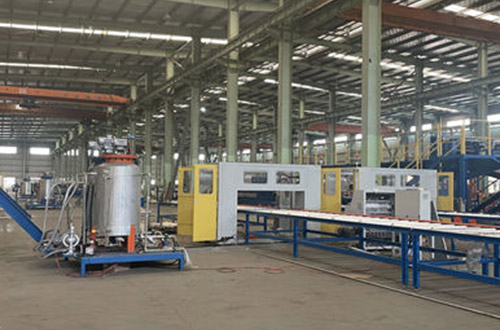
The production process behind a modern sandwich panel production line involves intricate methodologies and technology that ensure the creation of high-quality, durable panels. As a B2B buyer, understanding this process can help you evaluate suppliers more effectively and make informed purchasing decisions. This article will address key buyer concerns such as material selection, manufacturing capabilities, and quality control, enabling you to better assess your options in the market.
Understanding the Production Process of Modern Sandwich Panels
The production of modern PU sandwich panel line typically involves several key steps: material preparation, pressing, cutting, and finishing. The most common materials used are polyurethane, rock wool, and EPS (expanded polystyrene), each chosen for specific properties like insulation, strength, and fire resistance.
Material Preparation: High-precision equipment is used to prepare the core materials. For instance, the foam must be mixed and expanded to the correct density, which is critical for achieving the desired thermal insulation and structural integrity.
Pressing: The prepared materials are layered and subjected to high pressure in a continuous production process. This step is crucial for bonding the layers together, ensuring uniformity and structural strength. The production line's design, particularly with European technology, often includes automated systems for better efficiency and reduced energy consumption.
Cutting and Finishing: Once the panels are formed, they are cut to specified dimensions. This stage might include additional treatments like surface coatings to enhance durability and aesthetics. Quality control checks are performed to ensure that the panels meet the required specifications before packaging.
Understanding this process helps buyers to identify the key specifications, such as thermal performance ratings, dimensional accuracy, and load-bearing capacity. These factors will affect the final application and suitability for your specific needs.
How to Choose the Right Sandwich Panel Supplier for Your Needs
Selecting the right supplier for sandwich panels involves careful evaluation of several key factors. First, consider the supplier's manufacturing capabilities and technology. A supplier like Shanghai Zhongji Machinery Co., Ltd. leverages advanced European technology, which can be a significant advantage in terms of quality and energy efficiency.
Product Range: Ensure that the supplier offers a variety of sandwich panels compatible with your specific applications, whether for construction, insulation, or other industrial uses.
Customization Options: Assess the supplier’s ability to customize products to meet your specific requirements, such as dimensions, materials, and finishes. Customization can significantly enhance the performance of the panels in their intended applications.
Quality Certifications: Look for manufacturers that adhere to recognized quality standards. This can include ISO certifications or other industry-specific qualifications that assure you of the product’s reliability and safety.
References and Track Record: Evaluate the supplier's history in the industry. A supplier with extensive experience and a solid reputation is likely to provide more reliable service and support.
By considering these factors, you can make more informed choices that align with your project requirements and budget constraints.
Key Considerations
When purchasing sandwich panel machines, several critical considerations should be kept in mind:
Thermal and Structural Performance: Understand the thermal insulation properties and structural integrity based on your application. The choice of core material (polyurethane, EPS, or rock wool) will significantly impact these characteristics.
Environmental Impact: Evaluate the sustainability of the materials used. Increasingly, buyers are looking for eco-friendly options that do not compromise performance.
Lead Times and Minimum Order Quantities (MOQ): Confirm the supplier’s lead times, especially if you have tight project schedules. Additionally, check the MOQ, as this can influence your overall project costs.
Sample Approval: Always request a sample before committing to a large order. Testing the sample under actual operating conditions can help identify potential issues early and ensure that the final product meets your expectations.
By addressing these considerations, you can minimize risks and ensure that you choose the right sandwich panels for your application.
Exploring Applications of Sandwich Panels in Various Industries
Sandwich panels are versatile and find applications across several industries, including construction, refrigeration, and transportation. Their lightweight yet durable nature makes them ideal for a wide range of uses:
Construction: In the building sector, sandwich panels are commonly used for walls, roofs, and facades due to their excellent thermal insulation and structural properties. This can lead to significant energy savings in heating and cooling.
Refrigeration: In cold storage facilities, sandwich panels are crucial for maintaining temperature control. The choice of core material helps to achieve the required insulation levels to preserve food and pharmaceuticals.
Transportation: Lightweight sandwich panels are increasingly used in vehicle manufacturing. They help reduce overall weight, improving fuel efficiency without compromising safety.
Industrial Applications: In factories and warehouses, sandwich panels can be utilized for internal partitions, clean rooms, and equipment enclosures to enhance operational efficiency.
Understanding these applications will aid buyers in selecting the appropriate sandwich panel type based on their specific industry needs.
The Advantages of Using Advanced Materials in Sandwich Panels
Utilizing advanced materials in sandwich panel production offers several advantages that can significantly enhance performance:
Improved Insulation: Advanced materials, such as high-density polyurethane, provide superior thermal insulation compared to traditional materials. This is critical in applications where energy efficiency is a priority.
Fire Resistance: Certain materials, like rock wool, offer excellent fire resistance, making them suitable for buildings that require compliance with strict fire safety regulations.
Lightweight Construction: Advanced fully automatic EPS sandwich panel machine are designed to be lightweight yet strong, which reduces the load on structures and allows for faster and more cost-effective installation.
Sustainability: Innovative materials often incorporate recycled content or are designed to be recyclable, aligning with the growing demand for sustainable building practices.
When evaluating sandwich panels, consider how these material advantages can contribute to the overall effectiveness and longevity of your projects. By making informed decisions based on material properties, you can achieve better performance and compliance with industry standards.
In summary, understanding the production process behind a modern sandwich panel production line, along with evaluating suppliers, key considerations, applications, and material advantages, will empower B2B buyers to make well-informed purchasing decisions.