
 EN
 AR
 BG
 HR
 FR
 DE
 IT
 JA
 KO
 PL
 PT
 RO
 RU
 ES
 ID
 LV
 LT
 SR
 SK
 SL
 UK
 VI
 ET
 HU
 TH
 TR
 FA
 GA
 BE
 HY
 AZ
 KA
 BN
 LA
 MN
 NE
 MY
 KK
 TG
 UZ
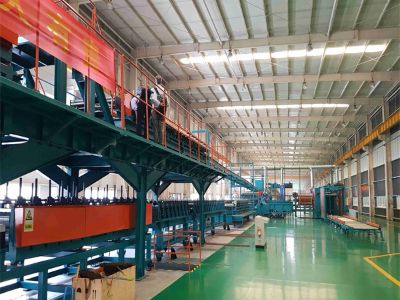
In recent years, the manufacturing sector has witnessed a significant shift toward automation, particularly in sandwich panel production lines. These automated systems enhance efficiency, reduce labor costs, and improve product quality. For purchasing managers and engineers looking to invest in the latest trends in sandwich panel production line automation, understanding the features, specifications, and potential challenges is essential. This article will provide insights into selecting the right equipment, key specifications to consider, common problems and their solutions, where to source reliable suppliers, and installation guidance for automated systems
How to Choose the Right Sandwich Panel Production Line for Your Needs
Selecting the right sandwich panel production line involves evaluating your specific production requirements and understanding your operational goals. Considerations should include the type of panels you intend to produce, such as polyurethane, rock wool, or EPS color steel sandwich panels. Each material has unique characteristics and applications, which will influence the machinery needed
Additionally, assess your production capacity needs. High-precision machines designed for continuous production can increase output and maintain consistent quality. It's crucial to ensure that the production line can handle your anticipated volume while allowing for potential future scaling. Working closely with a manufacturer like Shanghai Zhongji Machinery Co., Ltd., which specializes in continuous production lines, can provide tailored solutions that align with your operational objectives
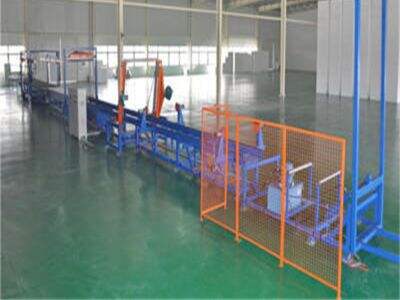
Key Specifications to Consider in Sandwich Panel Production Lines
When evaluating sandwich panel production lines, focus on several key specifications that directly impact performance and efficiency
Production Speed: The speed at which panels can be manufactured is critical for meeting production targets. Look for machinery that balances speed with quality to avoid defects
Material Compatibility: Ensure the production line is designed to handle the specific materials you plan to use. Different materials may require specific handling and processing techniques
Machine Precision: High-precision equipment ensures consistent panel dimensions and quality. This is especially important for applications requiring tight tolerances
Energy Efficiency: With rising energy costs, energy-efficient machines can significantly reduce operational expenses. Look for features that minimize energy consumption without compromising performance
Automation Level: Determine the extent of automation needed. Fully automated lines may have higher upfront costs but can lead to long-term savings through reduced labor and increased efficiency
Evaluating these specifications will help ensure that the production line meets both current and future needs, maximizing your investment
Common Problems in Sandwich Panel Production and Their Solutions
In the production of sandwich panels, several common challenges may arise, impacting the quality and efficiency of the operation
Material Quality Issues: Inconsistent material quality can lead to production defects. Implementing strict quality control measures during material sourcing can help mitigate this risk. Working with reputable suppliers and conducting regular quality checks can ensure that only the best materials are used
Machine Downtime: Unplanned machine downtime can disrupt production schedules. Regular maintenance and having a dedicated support team can minimize these occurrences. It's advisable to establish a service agreement with your equipment supplier to ensure quick response times for technical support
Production Line Bottlenecks: Bottlenecks can occur at various stages of the production process. Conducting a thorough analysis of the production workflow can help identify these critical points. Upgrading specific machinery or optimizing the layout may alleviate these issues
Inconsistent Panel Quality: Variations in panel thickness or surface finish can arise from improper machine calibration. Regular testing and calibration of equipment, along with employee training, can help maintain consistent quality
By understanding these potential problems and implementing effective solutions, manufacturers can enhance their operational efficiency and product quality
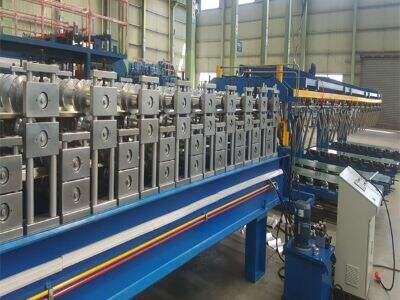
Where to Source Reliable Suppliers for Sandwich Panel Automation
Finding reliable suppliers for sandwich panel production line price automation is essential for ensuring a successful procurement process. Start by researching manufacturers with a strong reputation in the industry, such as Shanghai Zhongji Machinery Co., Ltd. Look for suppliers that specialize in your specific material needs and have a proven track record of successful installations
Additionally, consider the following factors when sourcing suppliers
Experience and Expertise: Evaluate the supplier’s experience in the industry and their expertise in producing the specific type of machinery you require. A supplier with extensive knowledge can provide valuable insights and recommendations
Customer Reviews and Testimonials: Look for customer feedback and case studies that demonstrate the supplier's ability to deliver quality products and support. This can provide you with confidence in their reliability
Technical Support and Service: Ensure that the supplier offers comprehensive technical support and maintenance services post-installation. This can be crucial for minimizing downtime and addressing any operational issues quickly
Customization Capabilities: Depending on your unique production requirements, you may need customized solutions. Confirm that the supplier has the capability to adapt their systems to your specifications
By carefully evaluating potential suppliers based on these criteria, you can establish a partnership that supports your production goals
Installation Guidance for Automated Sandwich Panel Production Lines
The installation of automated sandwich panel production lines requires careful planning and execution to ensure optimal performance. Here are key considerations to keep in mind during the installation process
Site Preparation: Ensure that the installation site is adequately prepared, including the necessary electrical and plumbing systems. The site should also be large enough to accommodate the equipment and allow for safe operation
Professional Installation Team: Engage with the manufacturer's installation team or certified professionals to ensure that the machinery is installed correctly. This can prevent future operational issues and ensure compliance with safety standards
Calibration and Testing: Once installed, it’s essential to calibrate the machinery according to the manufacturer's specifications. Conduct thorough testing of the production line to identify any potential issues before commencing full-scale production
Training for Operators: Providing comprehensive training for operators on the new machinery is vital for maximizing efficiency and minimizing errors. This training should cover operation, maintenance, and troubleshooting
Post-Installation Support: Establish a plan for ongoing support and maintenance with the supplier. Regular check-ups and maintenance will ensure that the production line operates smoothly over time
By following these guidelines, manufacturers can facilitate a successful installation process that leads to efficient and effective sandwich panel production
Incorporating the latest trends in PU sandwich panel production line automation can significantly boost your manufacturing efficiency and product quality. By understanding how to choose the right equipment, evaluating key specifications, addressing common production challenges, sourcing reliable suppliers, and following proper installation protocols, you can position your operation for success in a competitive market
Table of Contents
- How to Choose the Right Sandwich Panel Production Line for Your Needs
- Key Specifications to Consider in Sandwich Panel Production Lines
- Common Problems in Sandwich Panel Production and Their Solutions
- Where to Source Reliable Suppliers for Sandwich Panel Automation
- Installation Guidance for Automated Sandwich Panel Production Lines