
 EN
 AR
 BG
 HR
 FR
 DE
 IT
 JA
 KO
 PL
 PT
 RO
 RU
 ES
 ID
 LV
 LT
 SR
 SK
 SL
 UK
 VI
 ET
 HU
 TH
 TR
 FA
 GA
 BE
 HY
 AZ
 KA
 BN
 LA
 MN
 NE
 MY
 KK
 TG
 UZ
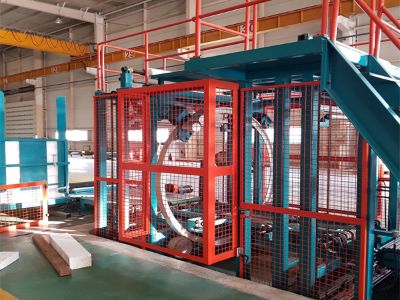
Understanding how sandwich panel production lines control panel thickness and dimensions is crucial for manufacturers and buyers in the construction and insulation industries. These panels, widely used for their insulating properties and structural integrity, require precise specifications to meet project needs. This article will address key concerns for purchasing managers and engineers, such as selecting the right panel thickness, understanding specifications, identifying potential problems in production, and evaluating cost factors.
How to Choose the Right Sandwich Panel Thickness for Your Projects?
Choosing the right thickness for sandwich panels is critical as it directly impacts insulation performance, structural strength, and overall project costs. Generally, the thickness ranges from 50 mm to 200 mm, but the ideal choice depends on several factors, including the intended application, environmental conditions, and load-bearing requirements.
For insulation projects, thicker panels generally provide better thermal resistance, which is crucial in climates with extreme temperatures. In contrast, for non-load-bearing applications, thinner panels may suffice, reducing material costs. It is essential to evaluate the specific insulation values (R-values) required for your project to ensure compliance with building codes and energy efficiency standards.
Collaborating with manufacturers like Shanghai Zhongji Machinery Co., Ltd., which specializes in high-precision production lines, can help ensure that the selected thickness aligns with your project specifications while maintaining quality and durability.
Key Specifications for Sandwich Panel Production Line Controls Explained
Understanding the specifications of sandwich panel production line controls is vital for ensuring consistent quality and performance. Key specifications include:
Panel Thickness Control: Automated systems maintain precise thickness during production, which is critical for ensuring uniform insulation values. This control minimizes variations that could lead to energy inefficiencies.
Dimension Tolerances: Tolerances refer to the allowable deviation from specified dimensions. Tight tolerances are essential for ensuring that panels fit seamlessly during installation, preventing gaps that could compromise insulation and structural integrity.
Material Consistency: The production line should ensure that the core material (polyurethane, rock wool, EPS) is uniformly distributed throughout the panel. This consistency affects the panel's overall strength and thermal performance.
Quality Assurance Systems: Advanced quality control mechanisms, such as real-time monitoring and testing during production, help maintain high standards. Buyers should inquire about these systems to understand how sandwich panel production line manufacturers ensure quality.
By understanding these specifications, purchasing managers can better assess production capabilities and ensure they meet their project requirements.
What to Look for in Sandwich Panels?
When evaluating sandwich panels, there are several critical factors to consider:
Material Properties: Different materials offer varying levels of insulation, fire resistance, and strength. For instance, polyurethane panels provide excellent thermal insulation, while rock wool panels offer superior fire resistance.
Surface Treatment: The surface of the panels should be treated for durability and aesthetic appeal. Look for sandwich panel machine coatings that enhance weather resistance and UV stability, especially for exterior applications.
Certification and Compliance: Ensure that the panels meet relevant industry standards and certifications, such as ISO or ASTM. This compliance guarantees that the panels will perform as expected in their intended application.
Customization Options: Depending on your project needs, you may require custom dimensions, colors, or finishes. It’s essential to confirm with the manufacturer whether they can accommodate these requests.
By focusing on these aspects, buyers can make informed decisions that align with their project objectives and quality standards.
Common Problems in Sandwich Panel Production and Their Solutions
Several challenges can arise during the production of sandwich panels, potentially affecting quality and performance. Common problems include:
Inconsistent Thickness: Variations in panel thickness can lead to thermal inefficiencies. To combat this, manufacturers should implement rigorous quality control measures that monitor thickness throughout production.
Adhesive Failure: Poor adhesion between the core material and facings can result in delamination. It is crucial to use high-quality adhesives and ensure proper application during manufacturing.
Surface Defects: Scratches, dents, or imperfections on the panel surface can affect both aesthetics and performance. Regular inspection and the use of automated handling systems can minimize these issues.
Material Variability: Variations in raw materials can lead to inconsistent panel properties. Working with reputable suppliers and conducting thorough material testing before production can mitigate this risk.
Manufacturers like Shanghai Zhongji Machinery Co., Ltd. employ advanced technologies to address these issues, ensuring high-quality outputs that meet industry standards.
Understanding Cost Factors in Sandwich Panel Production and Sourcing
When sourcing sandwich panels, understanding the cost factors involved is essential for budget management. Key considerations include:
Material Costs: The choice of core material significantly impacts pricing. Polyurethane sandwich panel line are typically more expensive than EPS due to their superior insulation properties.
Production Efficiency: Advanced production lines with automation capabilities can reduce labor costs and increase throughput, leading to lower overall prices. Inquire about the efficiency of the manufacturer’s production process.
Customization Requirements: Custom dimensions or finishes may incur additional costs. It’s important to specify these requirements upfront to avoid unexpected expenses.
Logistics and Shipping: Transportation costs can vary significantly based on distance and panel size. Buyers should consider local suppliers to minimize shipping expenses.
By understanding these cost factors, purchasing managers can make more informed decisions and negotiate effectively with suppliers to achieve the best value for their projects.
Table of Contents
- How to Choose the Right Sandwich Panel Thickness for Your Projects?
- Key Specifications for Sandwich Panel Production Line Controls Explained
- What to Look for in Sandwich Panels?
- Common Problems in Sandwich Panel Production and Their Solutions
- Understanding Cost Factors in Sandwich Panel Production and Sourcing