 EN
EN
 AR
AR BG
BG HR
HR FR
FR DE
DE IT
IT JA
JA KO
KO PL
PL PT
PT RO
RO RU
RU ES
ES ID
ID LV
LV LT
LT SR
SR SK
SK SL
SL UK
UK VI
VI ET
ET HU
HU TH
TH TR
TR FA
FA GA
GA BE
BE HY
HY AZ
AZ KA
KA BN
BN LA
LA MN
MN NE
NE MY
MY KK
KK TG
TG UZ
UZIntroduction
Dans le monde de l’approvisionnement international B2B, le temps est la marchandise la plus coûteuse. Pour un acheteur étranger, le processus de sélection d’un équipement pour panneaux sandwich commence devant un écran d’ordinateur. Le site web d’un fournisseur ou son profil B2B (par exemple sur Alibaba ou Made-in-China) n’est pas seulement une brochure numérique ; il constitue la première étape d’une évaluation technique. Si un site web est vague, mal traduit ou dépourvu de données essentielles, l’acheteur passera rapidement à un concurrent. Afin de réduire le « coût d’évaluation » pour les acheteurs, un fabricant de premier plan tel que Zhongji Machinery doit offrir une présence numérique transparente et riche en données. Cet article décrit précisément les informations qui aident les acheteurs B2B à passer en toute confiance de la simple « navigation » à l’« envoi d’une demande de renseignements ».
À l’ère numérique, caractérisée par une surcharge d’informations, l’attention des acheteurs constitue une ressource rare. Un excellent site web B2B n’est pas seulement un vecteur d’informations, mais aussi un pont permettant de construire la confiance. En fournissant des informations clés structurées, visualisées et facilement accessibles, les fournisseurs peuvent raccourcir considérablement le cycle de décision des acheteurs, réduire les frictions inutiles dans la communication et ainsi se démarquer dans une concurrence mondiale particulièrement vive. Cette conception d’architecture informationnelle centrée sur l’utilisateur reflète le professionnalisme et le sens du service du fabricant.
Risque pour l’acheteur et contexte
Le principal risque pour un acheteur visitant un site web est « l’asymétrie d’information ». En l’absence de spécifications techniques claires, l’acheteur ne peut pas savoir si l’équipement est compatible avec l’alimentation électrique de son usine, ses matières premières ou les dimensions cibles de ses produits. Cela entraîne des échanges de courriels interminables, faisant perdre des semaines entières sur le projet.
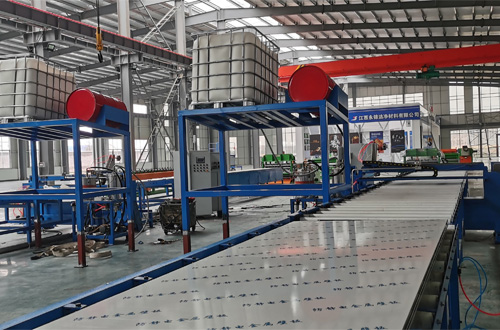
Un autre risque important est la confusion entre « négociant » et « fabricant ». De nombreuses entreprises présentes sur les plateformes B2B sont de petites maisons de commerce sans usine ni soutien technique. Les acheteurs doivent pouvoir consulter des « preuves de fabrication » — telles que des vidéos d’usine, des certifications R&D et des photos réelles de projets — afin de vérifier la légitimité du fournisseur avant de s’engager dans un projet d’un million de dollars.
En outre, les coûts cachés et les éventuels pièges techniques constituent également des préoccupations majeures pour les acheteurs. Par exemple, l’équipement est-il capable de faire face aux fluctuations locales du réseau électrique ? Le système de contrôle permet-il le diagnostic à distance afin de résoudre rapidement les problèmes ? L’approvisionnement en pièces détachées est-il stable et raisonnablement tarifé ? Si le site web ne fournit pas ces détails techniques et managériaux approfondis, les acheteurs se sentent souvent mal à l’aise, ce qui augmente le temps et l’effort consacrés à la diligence raisonnable. La transparence n’a donc pas seulement pour objectif de mettre en valeur les avantages, mais aussi d’éliminer les doutes et de jeter les bases de relations commerciales durables.
Informations essentielles pour une page B2B à forte valeur ajoutée
1. Paramètres techniques de base
Les caractéristiques techniques doivent constituer le cœur de chaque fiche produit. Les acheteurs doivent pouvoir consulter :
-
Capacité et rapidité : Des vitesses linéaires réalistes (p. ex., 5–60 m/min ). En complément de la vitesse maximale nominale, il convient également de préciser les plages de vitesses opérationnelles typiques selon différents matériaux de noyau (tels que PU, laine de roche, EPS) et différentes épaisseurs. Par ailleurs, décrire les performances d’accélération et de décélération, ainsi que les données de stabilité obtenues lors d’un fonctionnement continu en charge complète de la ligne de production. Ces détails permettent aux acheteurs d’évaluer plus précisément l’efficacité réelle de la production.
-
Plages de produits : Largeurs de panneaux prises en charge ( 600–1250 mm ) et épaisseurs ( 30–200 mm ). Préciser clairement les limites physiques minimales et maximales des dimensions de production, ainsi que le temps nécessaire aux réglages et la complexité opérationnelle associée à la modification des spécifications. Présenter, le cas échéant, les fonctions « Single Minute Exchange of Die » (SMED), qui améliorent considérablement la flexibilité de la production en petites séries et à forte variété.
-
Compatibilité des matériaux : Une liste claire des matériaux de base (PU, laine de roche, EPS, laine de verre, phénolique). Précisez les configurations ou modules spécifiques requis pour chaque matériau, par exemple les systèmes de fente et de retournement pour la laine de roche, les interfaces avec les machines de moussage haute pression pour le PU, etc. Si l’équipement permet le changement entre plusieurs matériaux de base, veuillez décrire le processus de commutation ainsi que le temps nécessaire, en soulignant sa polyvalence et son retour sur investissement.
-
Données de précision : Données de contrôle des tolérances (p. ex., ±2 mm pour la longueur). Fournissez des indicateurs de tolérance spécifiques concernant l’épaisseur, la largeur, la rectitude et la planéité. Expliquez les technologies clés permettant d’atteindre une haute précision, telles que la commande synchronisée par servo-moteurs, les systèmes de rétroaction avec jauges laser d’épaisseur, etc. Une grande précision influence non seulement l’efficacité d’installation, mais affecte aussi directement l’esthétique et les performances d’étanchéité du bâtiment final.
2. Conformité et certifications qualité
Les certifications constituent les « signaux de confiance » qui permettent à l’acheteur de contourner l’évaluation initiale des risques.
-
CE et ISO : Images haute résolution des certificats CE et ISO 9001:2015. Veillez à ce que les certificats soient valides et qu’ils puissent être vérifiés via le site web officiel de l’organisme émetteur. Indiquez explicitement les modèles de produits spécifiques et la portée couverte par chaque certificat, afin d’éviter toute formulation imprécise. Si vous détenez d’autres certifications régionales importantes (par exemple, l’EAC pour la Russie, la norme UL pour l’Amérique du Nord, etc.), celles-ci doivent également être mises en évidence afin de démontrer vos capacités de conformité mondiale.
-
Prix sectoriels : Reconnaissance en tant que « fabricant axé sur la technologie » ou distinctions similaires. Énumérez les noms précis des prix, les organismes décernants et les années correspondantes afin de renforcer leur crédibilité. Ces récompenses reflètent généralement la reconnaissance, par des experts du secteur et des agences gouvernementales, de l’innovation technologique, de la gestion de la qualité et de la responsabilité sociétale de l’entreprise ; elles constituent ainsi un appui solide de la force de la marque.
-
Passports techniques : Informations sur la disponibilité des passeports techniques et des manuels localisés. Mettre l’accent sur la fourniture de manuels d’utilisation, de guides d’entretien et de schémas électriques multilingues (anglais, russe, espagnol, etc.). Les passeports techniques doivent respecter les exigences réglementaires du marché cible, inclure des avertissements de sécurité détaillés, des paramètres techniques précis et des déclarations de conformité afin d’aider les clients à réussir sans difficulté l’acceptation locale.
3. Une section FAQ structurée
Une section FAQ proactive peut répondre à 80 % des préoccupations initiales d’un acheteur. Elle doit être divisée en :
-
FAQ technique : Portant sur les rapports d’expansion, le changement de matériaux et l’entretien. Répondre aux difficultés techniques courantes, telles que « Comment gérer les différences entre différentes lots de matières premières ? », « Quels sont les points clés de l’entretien quotidien ? », « Que signifient les codes d’erreur fréquents et comment les résoudre ? ». Fournir des liens vers des tutoriels vidéo ou des schémas afin de simplifier les problèmes complexes et améliorer l’expérience utilisateur.
-
FAQ livraison : Délais d’exécution typiques (par exemple, 30 à 60 jours pour les lignes standard, 45 à 90 jours pour les lignes sur mesure), conditions d’expédition et normes d’emballage. Expliquez les principaux facteurs influençant le délai de livraison, tels que le degré de personnalisation, la disponibilité des matières premières, etc. Décrivez en détail les méthodes d’emballage (par exemple mesures anti-humidité, anti-chocs) et les procédures d’expédition afin de garantir la sécurité des équipements lors du transport sur de longues distances. Fournissez les coordonnées des partenaires logistiques afin d’accroître la transparence.
-
FAQ service : Informations détaillées concernant l’installation, la formation des opérateurs et l’engagement de réponse à l’étranger sous 48 heures. Précisez le contenu exact du service, notamment le nombre de jours consacrés à l’installation et à la mise en service sur site, le nombre de personnes formées ainsi que la durée de la formation, les modalités de support à distance, etc. Expliquez précisément le processus de réponse sous 48 heures : s’agit-il d’un appel téléphonique, d’un courriel ou d’un outil de messagerie instantanée ? Décrivez également le mécanisme de relance (escalation), afin d’inspirer confiance aux acheteurs.
4. Études de cas réels
Des photos de machines dans une salle d’exposition propre ne suffisent pas. Les acheteurs veulent voir :
-
Projets clés en main : Des exemples d’usines complètes qu’ils ont conçues et livrées. Fournissez des études de cas détaillées, incluant le contexte client, les défis liés aux besoins, les solutions apportées, les processus de mise en œuvre et les résultats finaux. Utilisez des photos avant/après, des témoignages clients et des indicateurs chiffrés (par exemple, augmentation en pourcentage de la capacité, réduction en pourcentage de la consommation énergétique) pour quantifier la valeur.
-
Carte mondiale : Une liste ou une carte des 100+ pays lieux où leurs équipements sont en fonctionnement. Affichez la répartition des projets par continent ou par pays, en mettant en évidence la pénétration sur les marchés et l’expérience réussie dans des régions spécifiques. Si possible, fournissez des liens cliquables sur la carte pour consulter les informations détaillées et les photos de projets particuliers, renforçant ainsi l’impact visuel et la crédibilité.
-
Photos d’applications : Des images illustrant l’utilisation finale des panneaux (par exemple, un entrepôt frigorifique ou une salle blanche). Affichez des photos haute définition de scènes réelles dans divers scénarios d’application, tels que des usines de transformation alimentaire, des centres logistiques, des installations sportives, etc. Expliquez les performances des panneaux dans ces environnements, notamment leur efficacité en matière d’isolation thermique, de résistance au feu, de durabilité, etc., afin d’aider les acheteurs à relier ces caractéristiques à leurs propres besoins.
5. Transparence concernant le service après-vente et l’assistance
Le site web doit décrire précisément ce qui se produit une fois le paiement effectué.
-
Réseau de service : Une liste des 10 bureaux à l’étranger . Fournissez, pour chaque bureau, l’adresse détaillée, le numéro de téléphone, l’adresse électronique et les coordonnées de la personne principalement responsable. Indiquez clairement les zones géographiques desservies par chaque bureau ainsi que leurs principales capacités linguistiques, afin de permettre aux acheteurs de trouver rapidement des ressources locales d’assistance.
-
Conditions de garantie : Déclaration claire de la garantie d’un an et du soutien technique à vie. Liste détaillée de la portée de la garantie, des clauses d’exclusion et des options de garantie étendue. Explication des formes précises du soutien technique à vie, telles que les mises à jour logicielles gratuites, les visites techniques régulières sur site, les prix préférentiels sur les pièces détachées, etc., reflétant un engagement sincère en faveur d’une coopération à long terme.
-
Pièces détachées: Informations relatives au « stock de sécurité » des pièces d’usure et à leur commande. Fournir des listes, des photos et les numéros de pièce des pièces détachées courantes afin de permettre aux acheteurs de planifier leurs achats à l’avance. Expliquer le processus de traitement, le délai de livraison estimé et les modes de paiement pour les commandes de pièces détachées. Mettre en avant la capacité d’approvisionnement immédiat pour les pièces détachées essentielles afin de réduire les risques d’arrêt de production.
Soutien spécifique Zhongji pour les acheteurs
Zhongji Machinery se distingue par sa transparence informationnelle, ce qui abaisse les barrières à l’entrée pour ses clients internationaux.
-
Prise en charge multilingue : Zhongji fournit des documents techniques et un service dans plusieurs langues, notamment le russe et l’anglais, afin d’éliminer les barrières de communication. Cette offre ne se limite pas à la traduction de documents : elle comprend également un soutien multilingue pour les interfaces de sites web, les échanges avec le service client et la formation technique. Des équipes professionnelles, maîtrisant parfaitement les langues des marchés cibles, garantissent la précision et l’adaptation culturelle des informations transmises, ce qui améliore la satisfaction client.
-
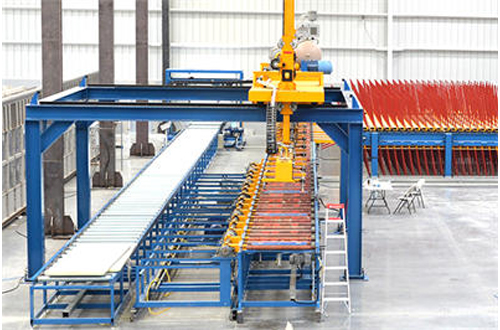
Visites virtuelles : Grâce à leur site web, les acheteurs peuvent visiter virtuellement les bases de production de Zhongji, situées à Shanghai (Qingpu et Jiading), employant chacune 300 personnes, ce qui confirme leur statut de véritable fabricant. Des vidéos panoramiques à 360 degrés, des visites en direct ou des technologies de réalité virtuelle (VR) permettent de montrer des scènes réelles d’ateliers de production, de lignes d’assemblage, de centres d’essais et de laboratoires de recherche et développement. Ces outils plongent les acheteurs dans une expérience immersive, leur permettant de ressentir concrètement la puissance industrielle, les procédures de contrôle qualité et la culture d’entreprise, renforçant ainsi la confiance.
-
Données éprouvées : Zhongji indique explicitement leur ≥99%taux de produits finis conformes et leurs 8%–15%avantage énergétique sur les lignes EPS, offrant aux acheteurs des chiffres concrets à comparer. Fournissez des rapports d’essais tiers, des données clients ou des registres internes d’essais comme éléments justificatifs afin de garantir l’authenticité et la traçabilité des données. Mettez en valeur les avantages concurrentiels des équipements Zhongji en matière de performance et de rapport qualité-prix grâce à des graphiques intuitifs ou à une analyse comparative.
-
Leadership normatif : Évoquer leur rôle dans l’élaboration des normes nationales relatives aux panneaux de treillis métallique 3D renforce leur position d’autorité technique. Décrivez le processus de participation à l’élaboration des normes, les points techniques apportés ainsi que l’impact positif sur le développement du secteur. Cela démontre non seulement leur compétence technique, mais reflète également leur sens des responsabilités sociales et leur influence sectorielle, renforçant ainsi l’image de marque.
-
Liste pratique d’évaluation du site web d’un fournisseur
Avant d’envoyer une demande d’information, vérifiez si le site web du fournisseur propose :
-
Spécifications téléchargeables : Existe-t-il des fiches techniques au format PDF comportant les dimensions et vitesses exactes ? Assurez-vous que ces fiches soient standardisées sur le plan du format, complètes en contenu, à jour et qu’elles incluent des coordonnées pour toute consultation complémentaire.
-
Vérification de l’usine : Y a-t-il des photos de l’atelier de fabrication réel, et non seulement du bureau d’accueil ? Portez une attention particulière à l’authenticité, à la netteté et à la variété des photos, qui doivent montrer des scènes de production, des détails d’équipements et l’état de travail des employés sous différents angles.
-
Coordonnées du service après-vente : Existe-t-il une page dédiée « Service après-vente » ou « Assistance technique » ? Vérifiez si le contenu de cette page est riche, si les canaux de réponse sont fluides et si le personnel du service est professionnel, ce qui reflète l’importance accordée au service après-vente.
-
Actualités / Études de cas récentes : L’entreprise a-t-elle publié une nouvelle étude de cas de projet au cours des six derniers mois ? Des mises à jour régulières de contenu indiquent un fonctionnement normal de l’entreprise, une activité soutenue et une attention portée à la promotion sur le marché — autant de signes de vitalité.
-
Informations sur le bureau local : Le site indique-t-il une adresse physique ou des coordonnées d’un bureau situé dans votre région ? Vérifiez la validité des adresses et des coordonnées, essayez d’appeler pour une consultation et évaluez la rapidité de la réponse ainsi que l’attitude du service.
Conclusion
Un site web B2B est bien plus qu’un outil marketing ; c’est un filtre technique. En fournissant des paramètres techniques clairs, des conditions de service transparentes et des études de cas vérifiées, Zhongji Machinery réduit la « charge mentale » de l’acheteur, ce qui lui permet de prendre une décision plus rapide et plus précise. Pour les acheteurs, la présence de ces informations détaillées constitue un signe de professionnalisme et de préparation à l’exportation. Si un fournisseur se cache derrière des descriptions floues et des boutons « contactez-nous pour le prix », il manque probablement des systèmes requis pour mener à bien un projet international complexe. La transparence est la marque distinctive d’un leader sur le marché.
Dans le cadre de la vague de transformation numérique, le site web est devenu la première carte de visite des entreprises manufacturières s’adressant à une clientèle mondiale. Zhongji Machinery, en créant une plateforme numérique riche en contenu, claire dans sa structure et fortement interactive, renforce non seulement son image de marque, mais réduit aussi de façon significative les coûts transactionnels et les risques décisionnels pour ses clients. Cette stratégie en ligne, centrée sur la transparence et le professionnalisme, constitue un levier essentiel permettant à Zhongji de gagner la confiance internationale et d’assurer une croissance durable.